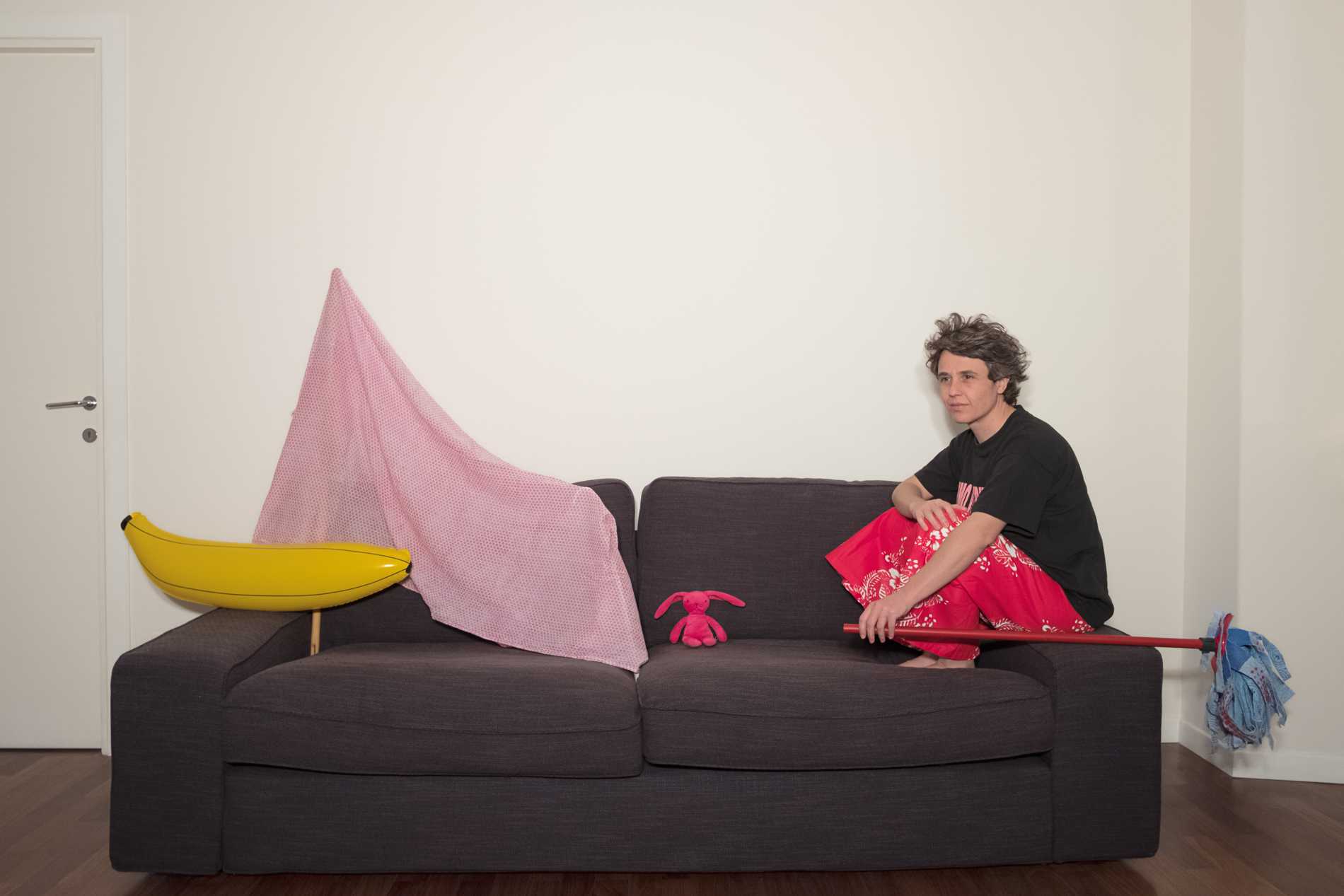
Leaving is a bit like dying, but staying isn’t much better.
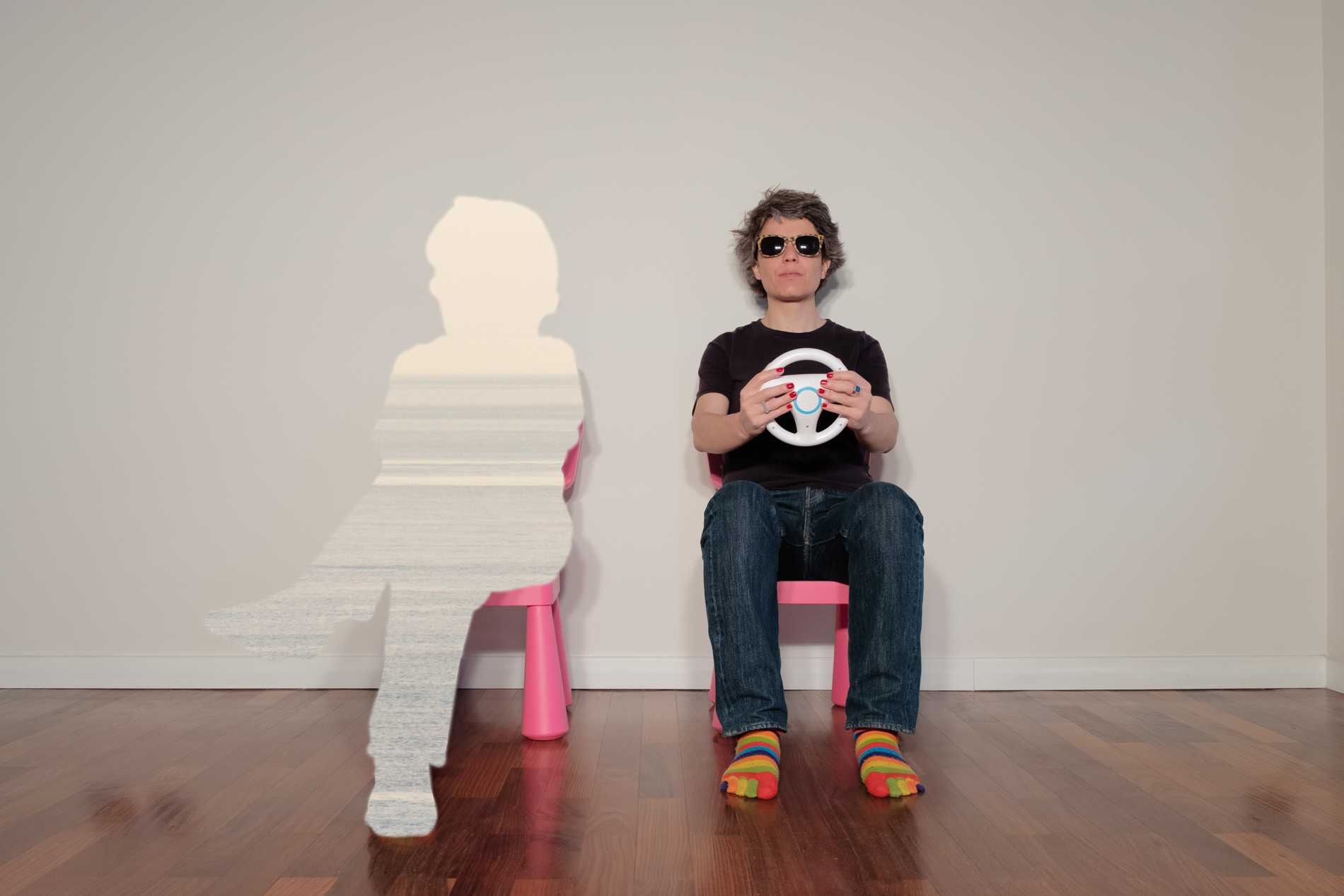
I’ve placed the chair parallel to the window. In front of me: the radiator, turned off, and a white wall. To my right: the rest of the room. I look to the left, out through the glass. I can’t rest my head against the window; it’s too far away. So I adjust the space and travel in place.
Happy Sunday.
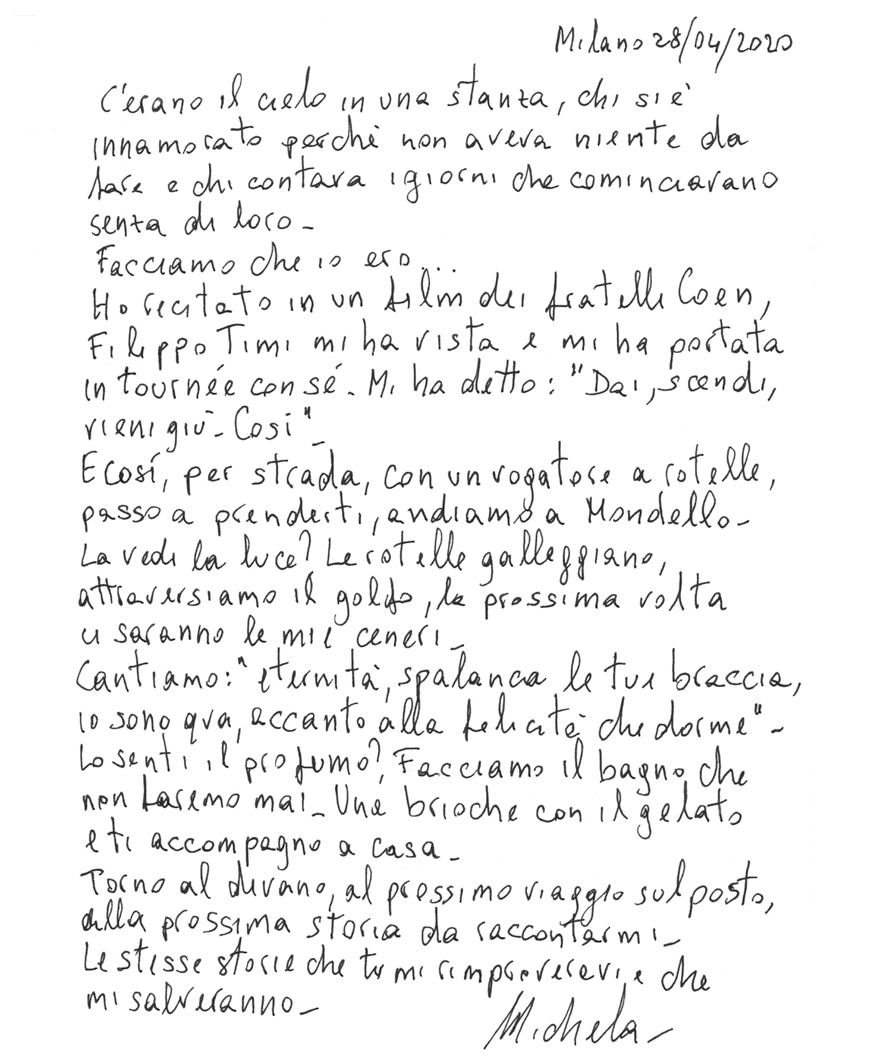
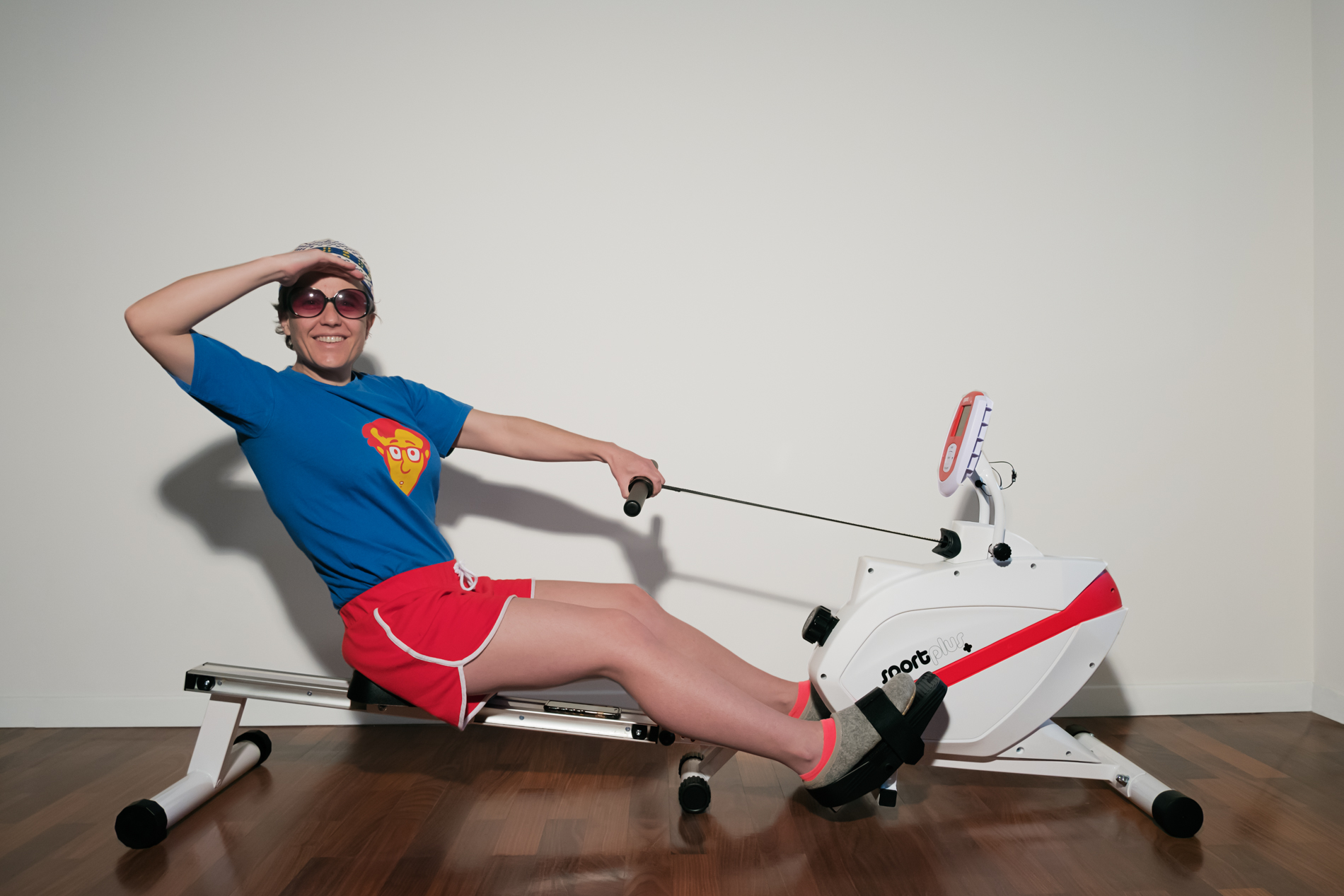
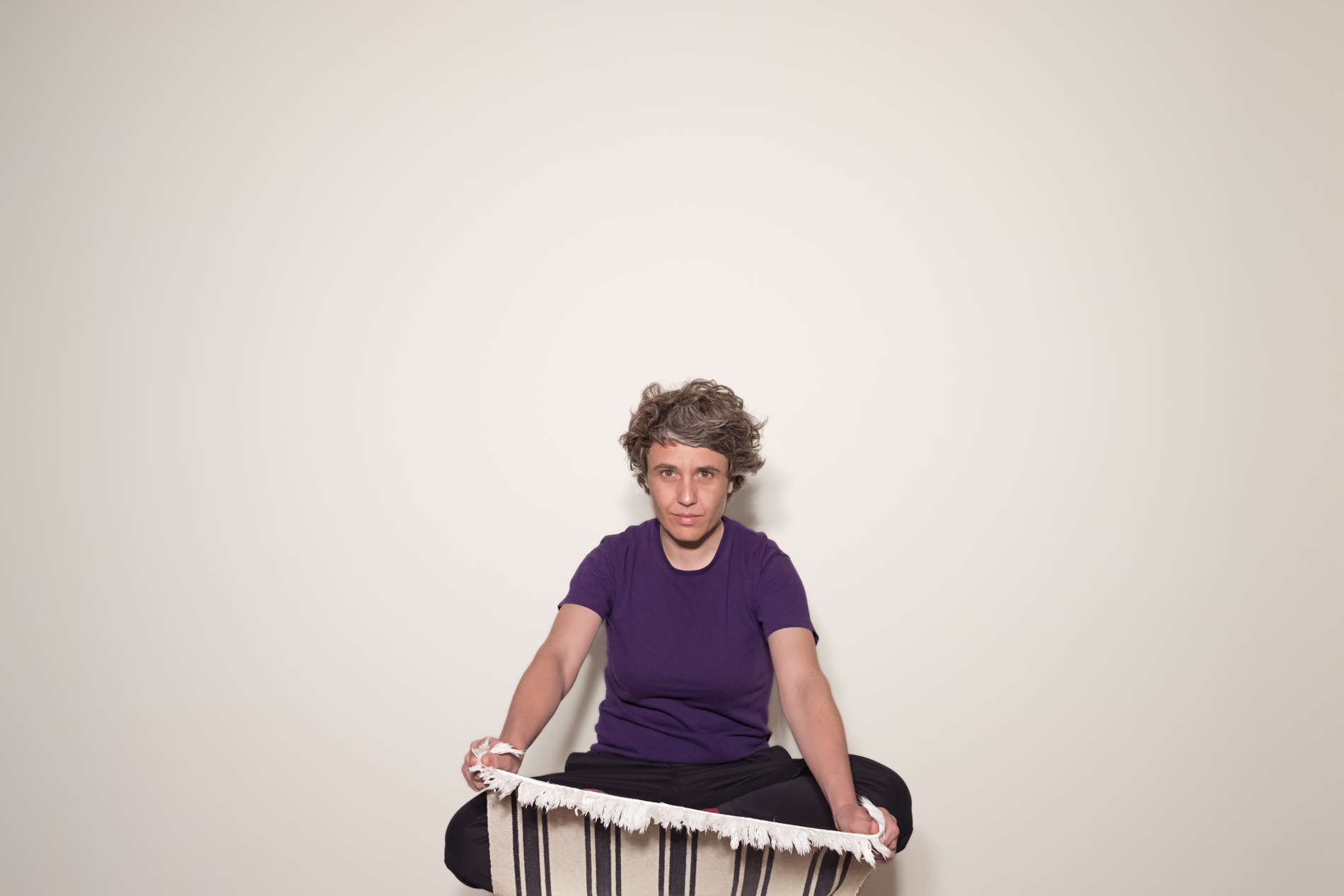
As children, one chair—or a group of them—could easily turn into carriages, luxury cars, private jets with stunning flight attendants. Or fighter bombers.
Then, at some point, chairs had to be ergonomic, designed to support your sciatic nerve through twelve-hour workdays that barely pay the bills. And even then, a chair is never truly comfortable.
Now, at thirty-five, I’m playing train. I need slowness. I build smells and sounds in my head. My eyes transform the landscape, fishing from places they’ve already seen, mixing them with those they wish to see, adding those they invent. They layer emotions.
There are periods when I can’t travel. Some long, some short; I suffer them with varying intensity. Somehow, I have to replace the act of going. It’s a child’s practice: looking out the window and imagining stories.
I adjust the chair—I don’t care that it’s uncomfortable, that it’ll leave stripes on my thighs. I could be heading toward Genoa, crossing the Po Valley in winter. Flat gray, and bold yet shy rays of sunlight fight an exhausting battle against the clouds—sometimes winning, sometimes losing. Darkness and light.
From the smell of humanity to that of the sea. Train stations are little perfume bottles that open with the doors of the train.
To travel is to love.
Hunger. Everyday life. The desire for something better—sometimes just a simple point of comparison to realize things were better where you were before. The return.
You never really return to a place. You’ve changed; it’s changed. The river’s water. There are similarities and memories, but no equality—except maybe that sense of home. But what is home? How many times have you sighed with relief, taking off your shoes and feeling that gentle surrender of coming home—miles away from what you’re supposed to call home?
Even landscapes age. They have their aches. They endure and they yield.
Perception changes. I think about how long and wide the elementary school hallway used to seem—only to discover it was short and narrow in high school. Points of view.
The lengthening days of spring push away winter’s perception. The gray lingers, and the sun has already given up for today.
I invent photographs—sometimes I even stand up and take real ones. To some, the rooftops across the street look like Paris. I claim my Milanese belonging. Milan doesn’t need to look like anything else to be beautiful.
We travel for the times we stay still.
From outside, voices drift in. I’m in the compartment at the center of the train car. I listen, but I don’t see. Familiar voices, like those of commuters. Everyday strangers. Of my neighbors, I know the sound of their voices, certain habits. To only a few can I attach a body. It’s like having the radio on. I listen to the conversation two compartments away.
Windows have always been screens—from car rides with my parents in August to short metro trips. Moving glass.
Commuters are daily travelers along a straight line, always the same: from A to B, and back to A by the end of the day. Yet it’s never quite the same.
There are those who go but would rather stay; those who would do exactly the opposite. Those who draw closer.
Beyond monuments, food, landscapes, and encounters, there’s your mood, your thoughts, your reflections, your inner journey. If you’re lucky, the journey continues even after it’s over—without physical effort. The Camino de Santiago is a dream, but my laziness won’t sustain me. So I’ve looked for versions of the journey where tasks can be divided: I think, something else moves forward.
But I have been to Santiago de Compostela. The emotion resurfaces every December eighth, like anniversaries that never fade. The scent of incense, the smell of grass. The pilgrims’ tears as they reach their destination—joy so overwhelming that fatigue dissolves.
A pilgrim is someone who travels on foot—or by makeshift means—to a sacred place. A slow, difficult, sometimes dangerous journey, where encounters and solitude push you to dig inward and stretch outward. To go beyond. To move forward, inside and out. And the destination isn’t necessarily an end—it may be a new beginning that takes you even farther from where you started, to an arrival you could never foresee. Perhaps driven by something as simple as a desire for well-being. But who can say what well-being really is
Who is a pilgrim today, when the destination is no longer Rome? What place is sacred—and for whom
Isn’t it sacred to demand fair pay for one’s work? Isn’t it sacred to flee from hunger? Isn’t it sacred to reject war and seek asylum? Isn’t it sacred to be able to do the job you studied for? Isn’t it sacred to choose whom to love—to hold their hand on their deathbed? Isn’t it sacred to be free to believe in something?
We all need to believe in something.
Aren’t we all pilgrims?
Milano, aprile 2017