
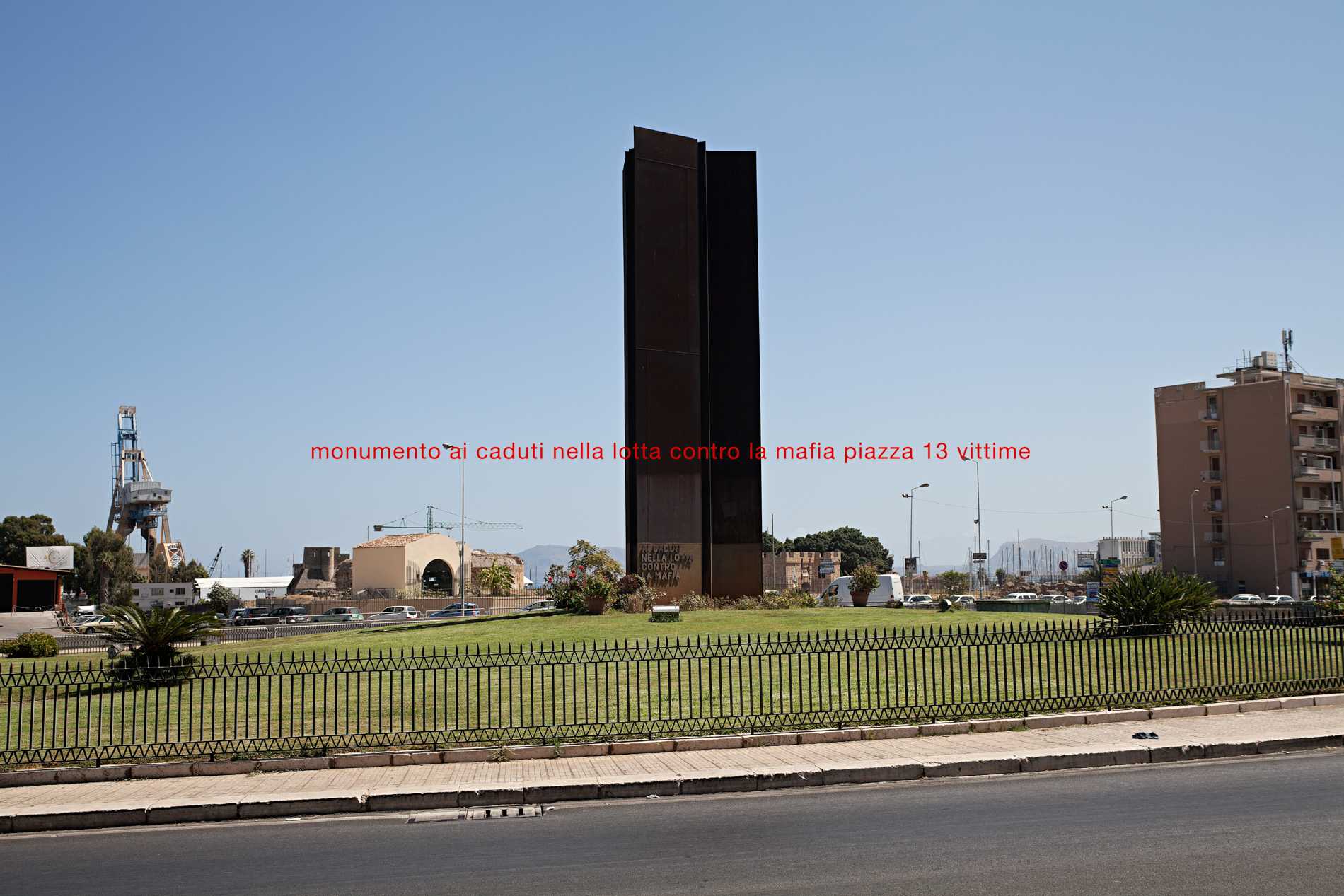
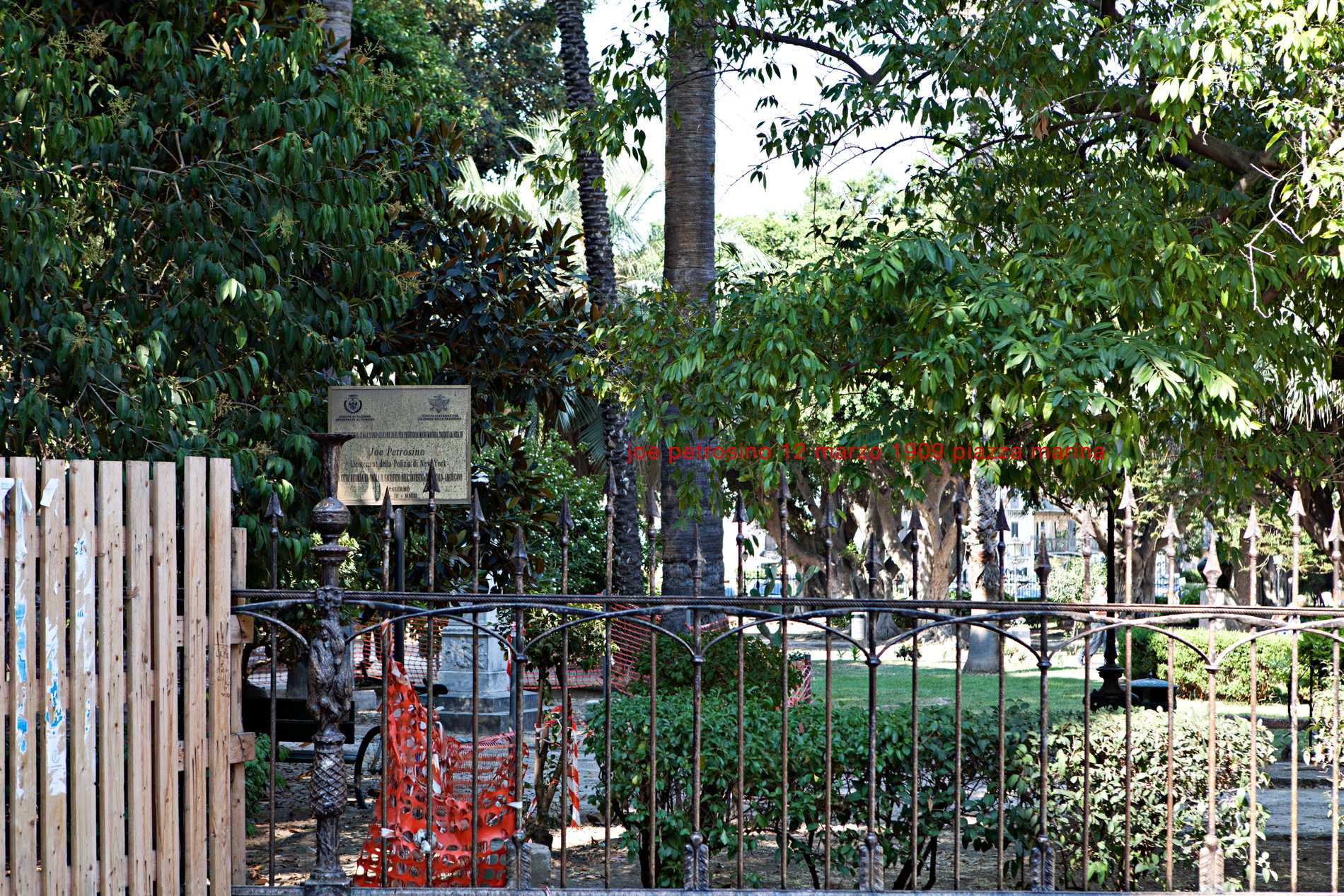
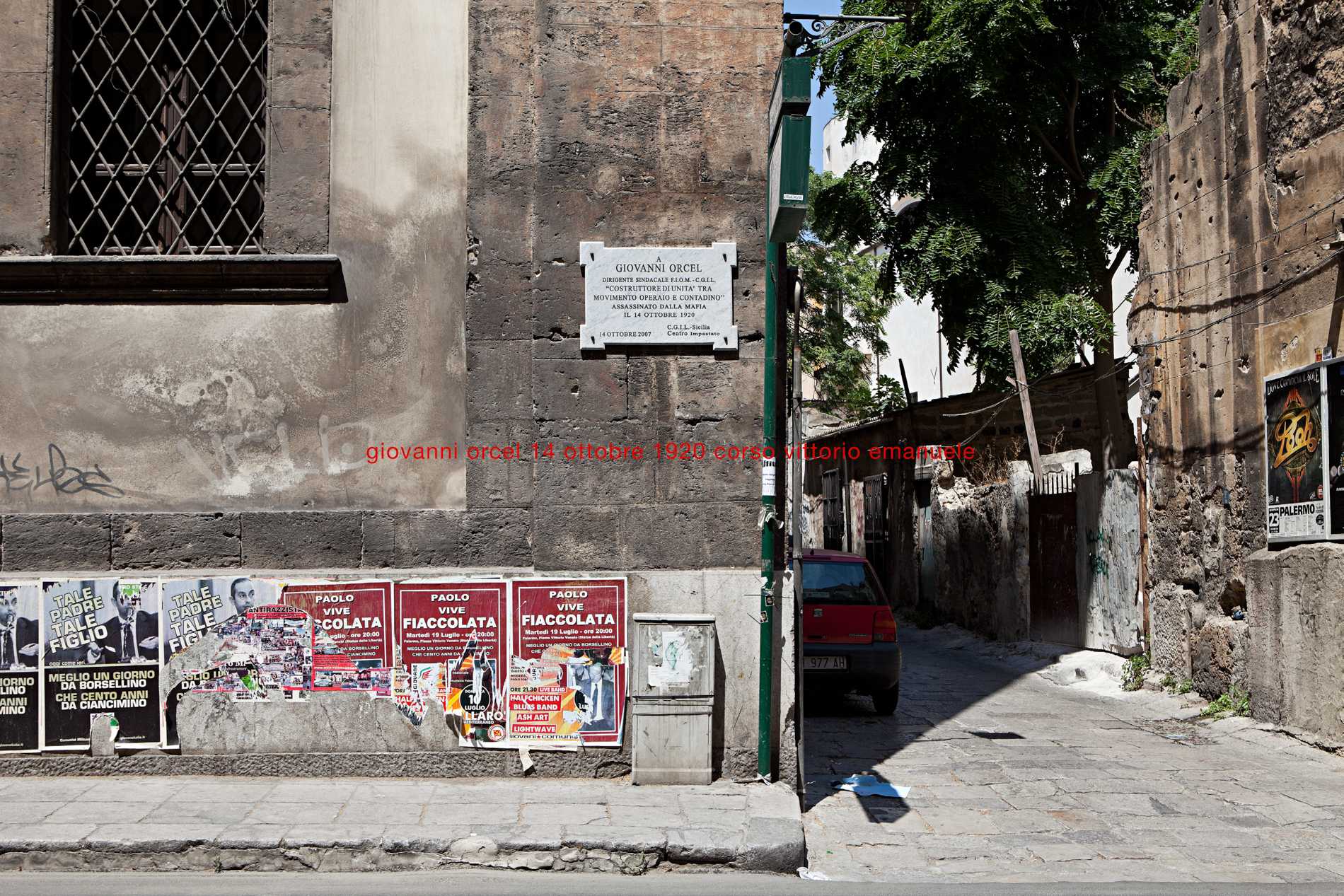
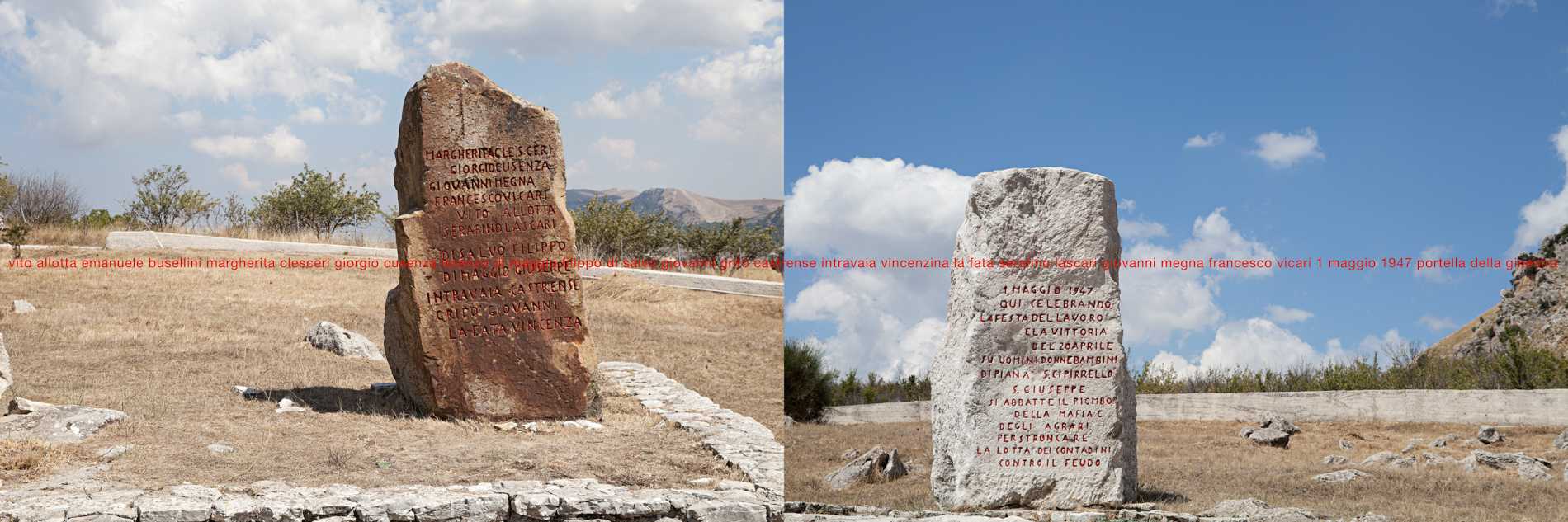
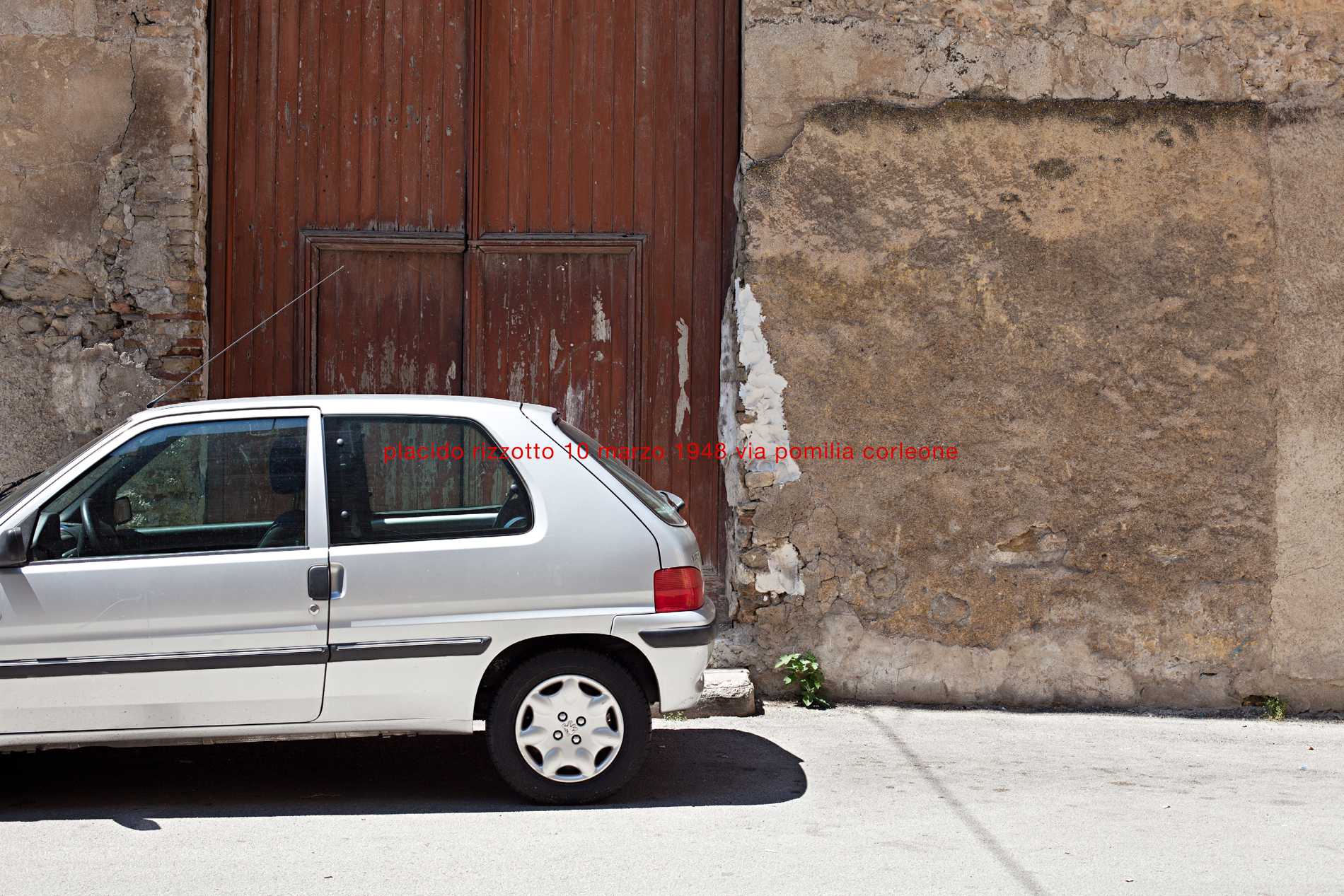
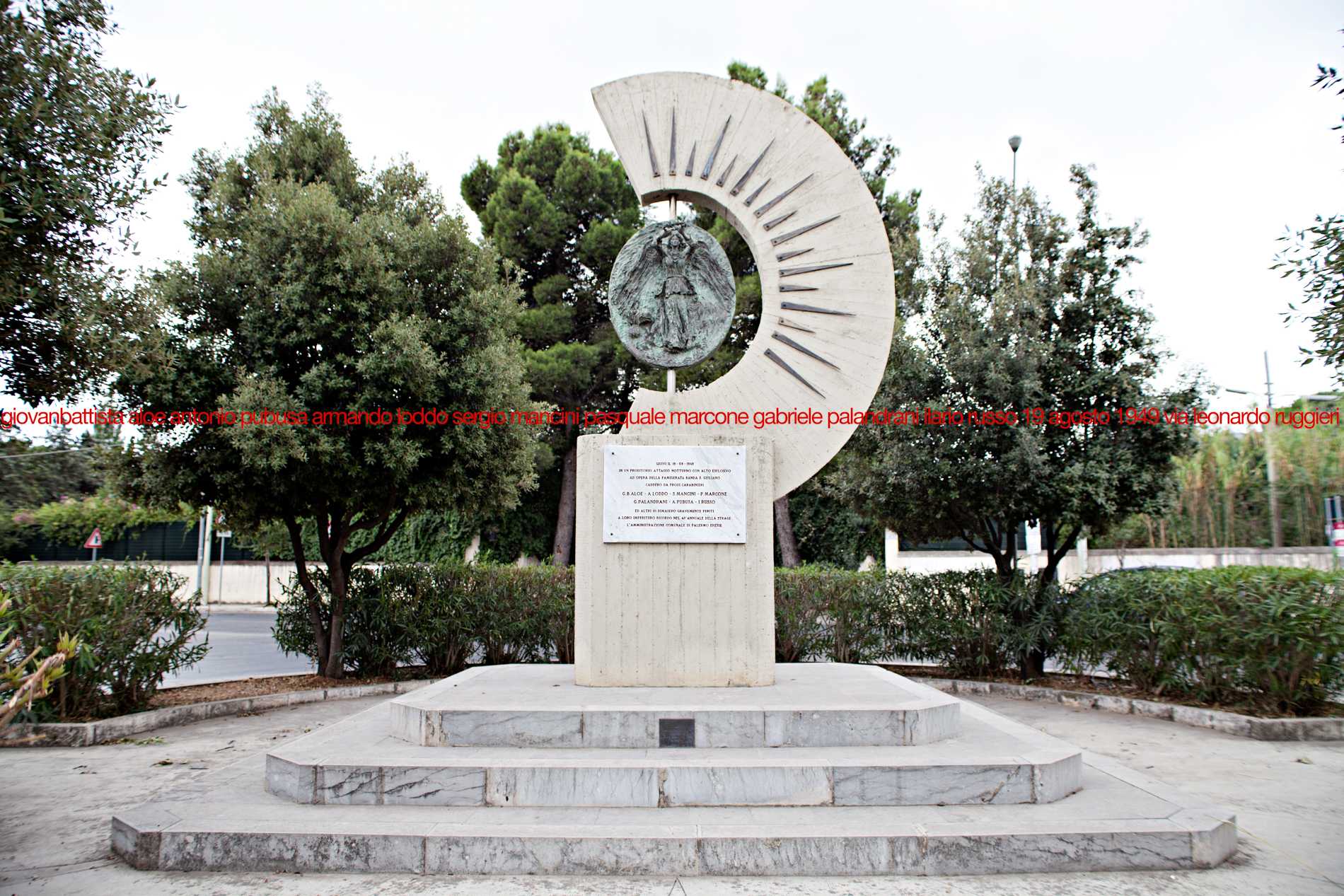
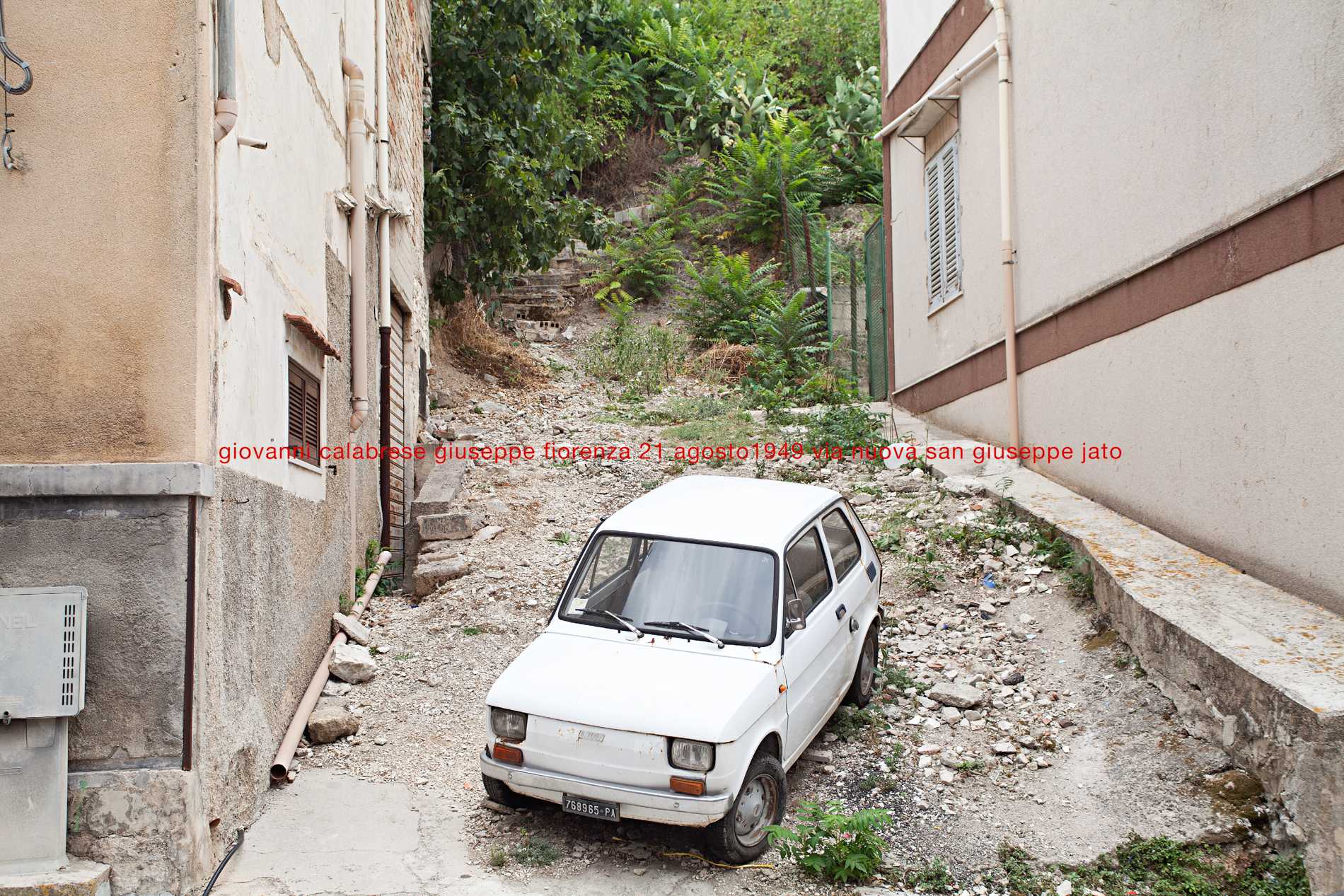
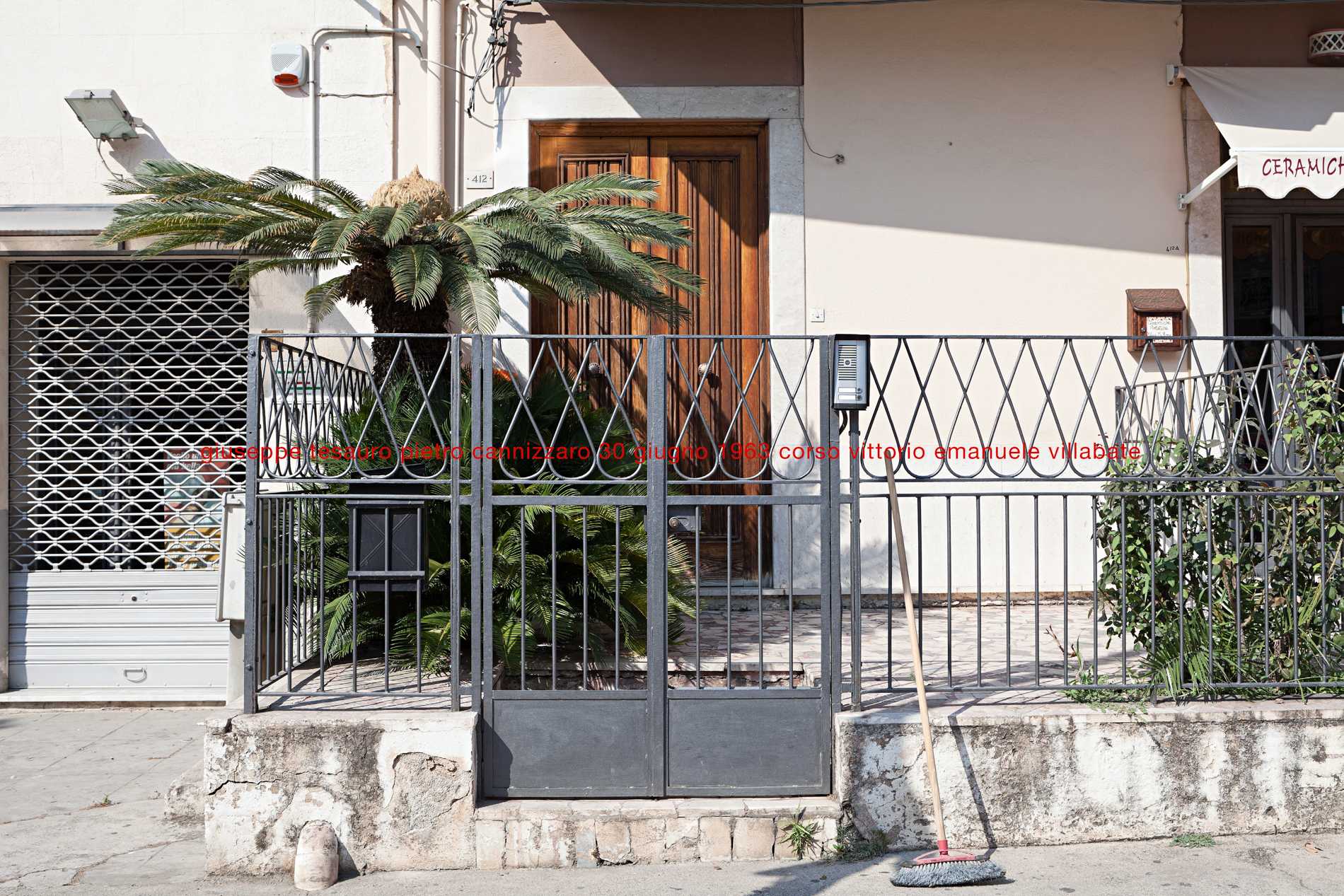
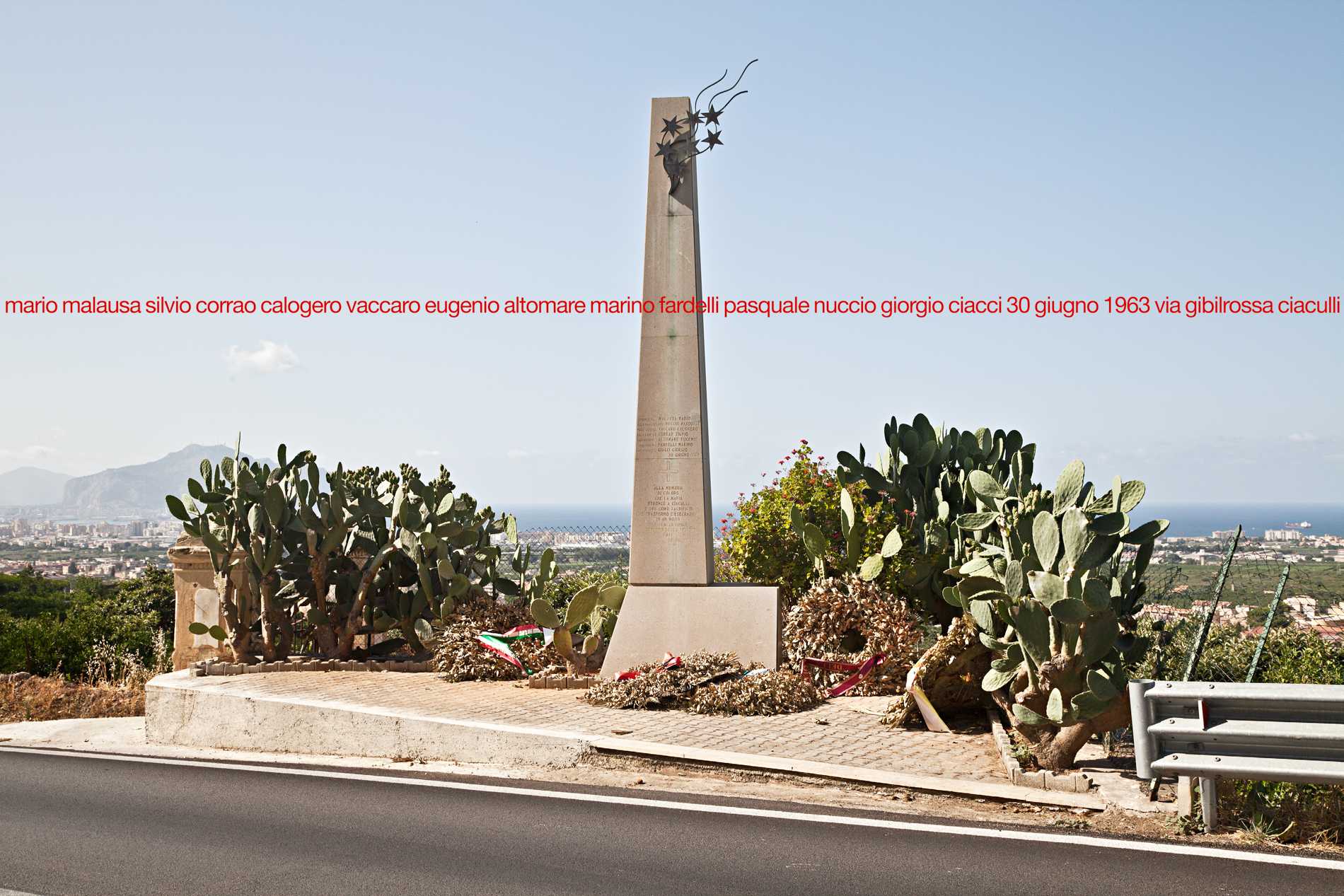
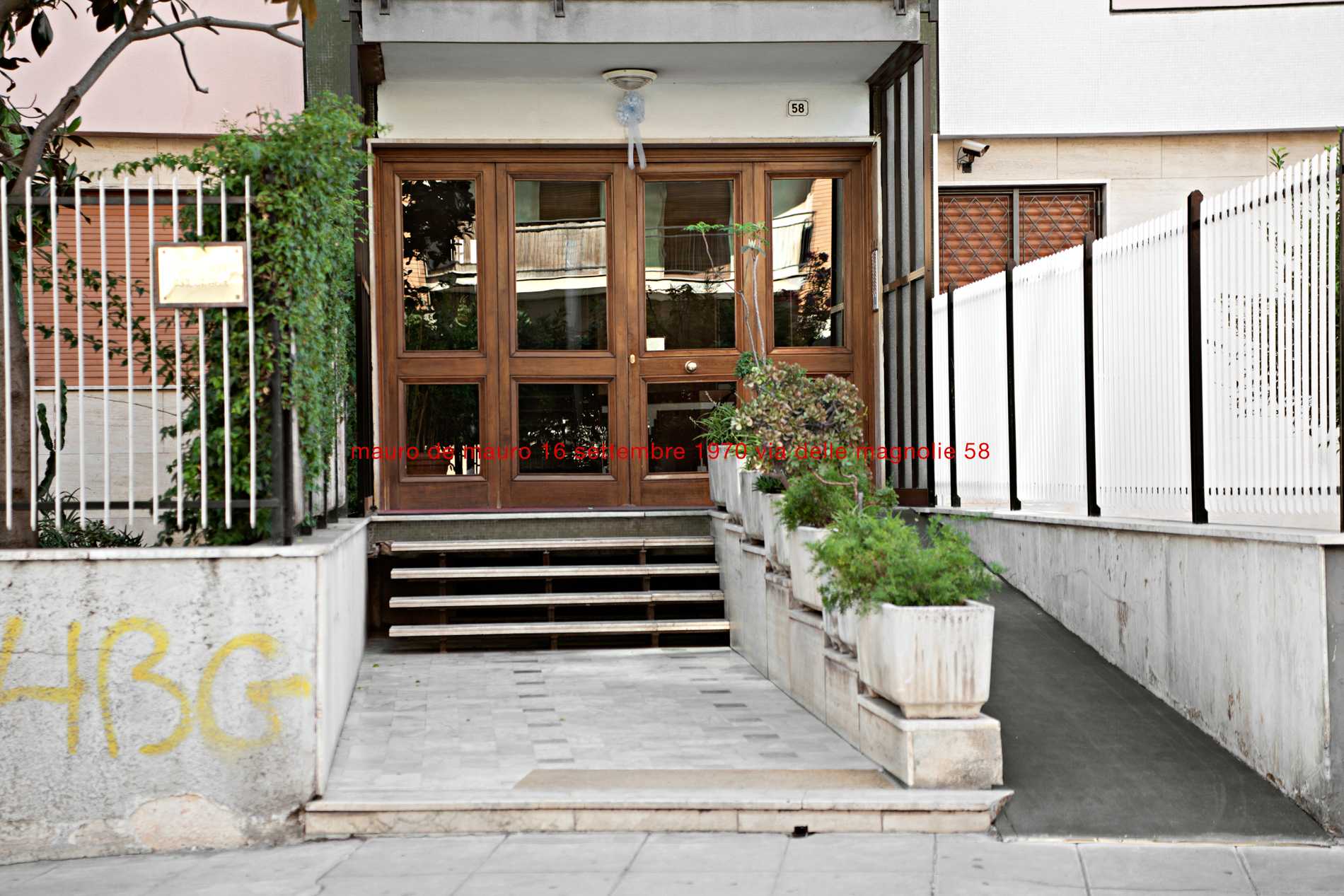
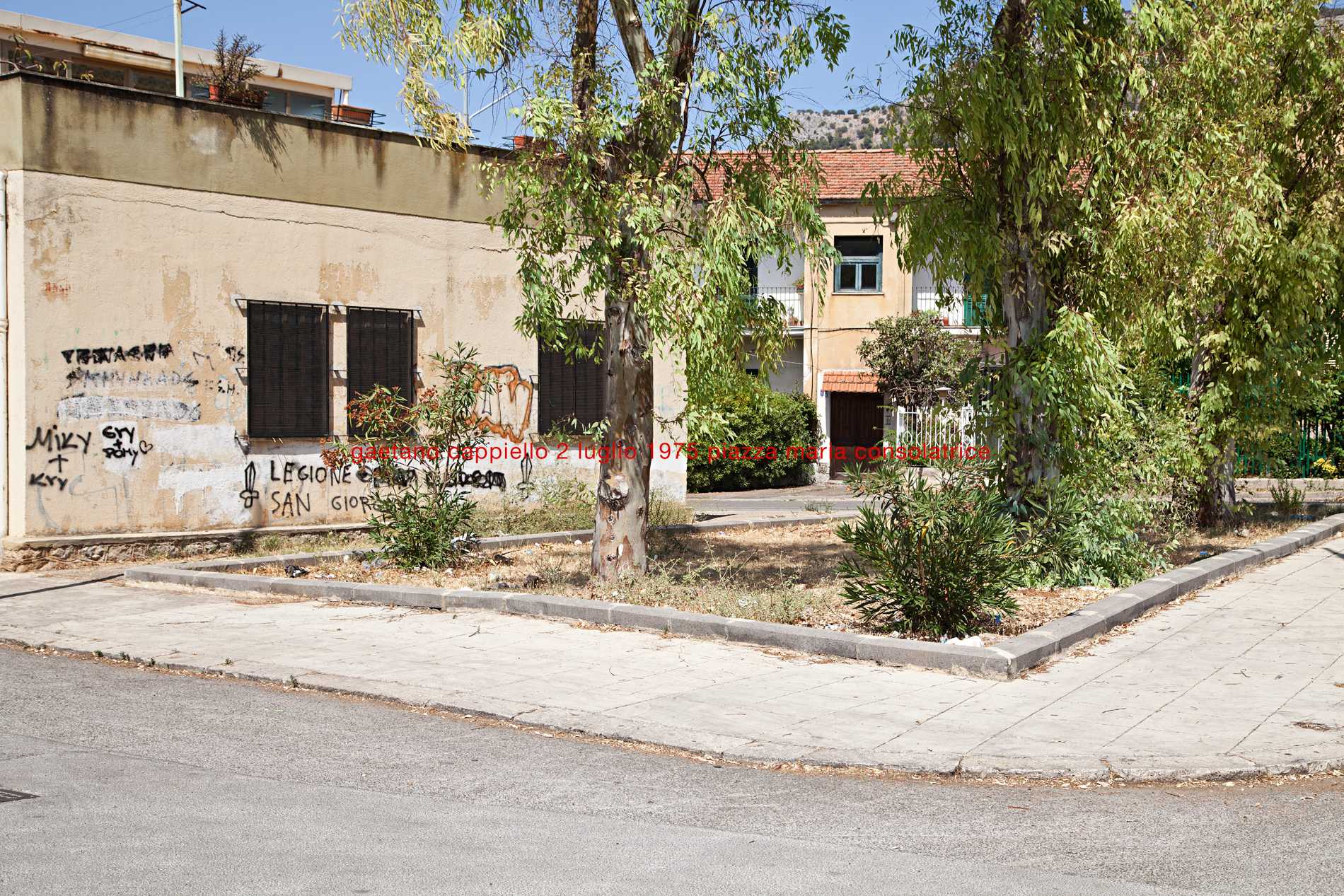
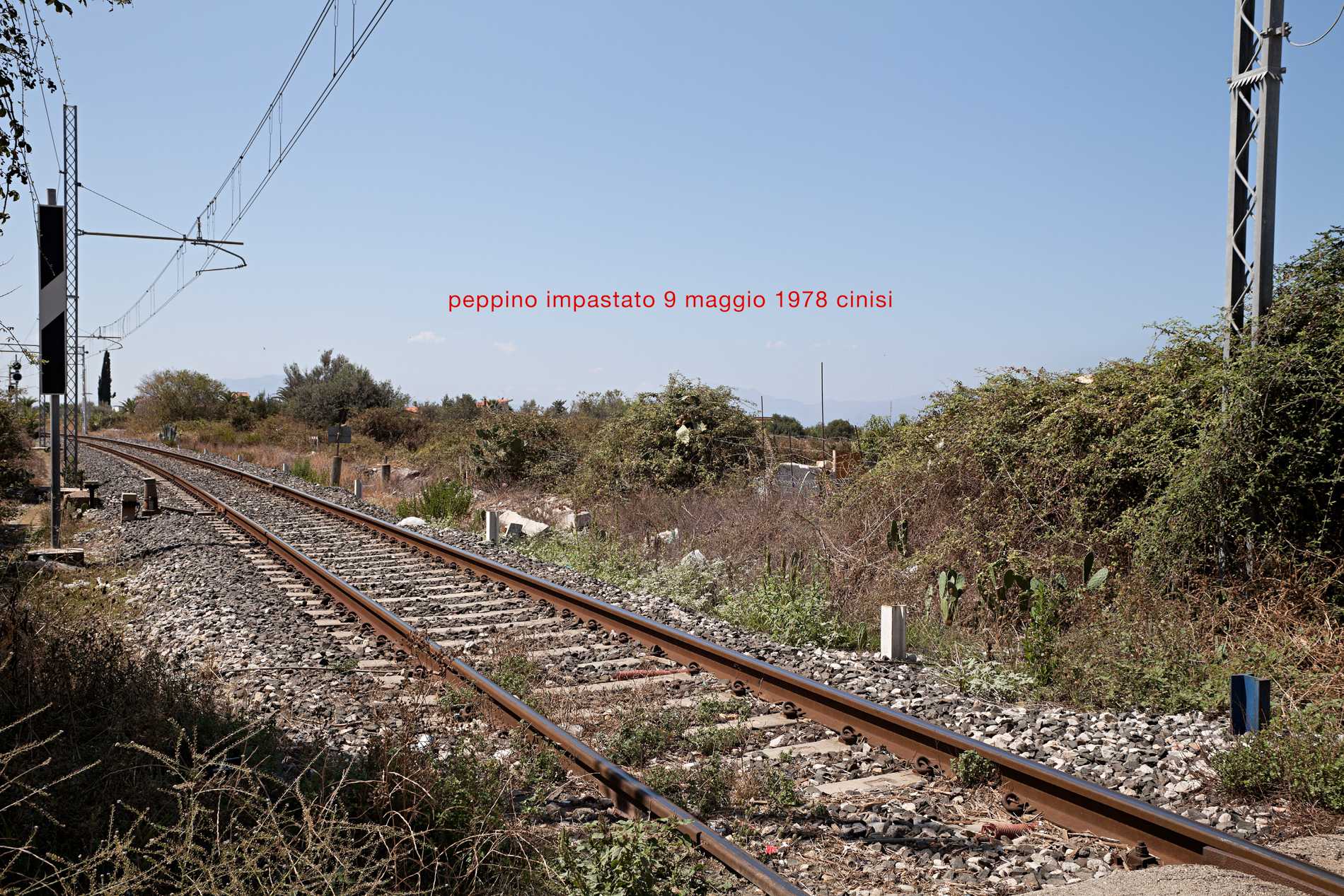
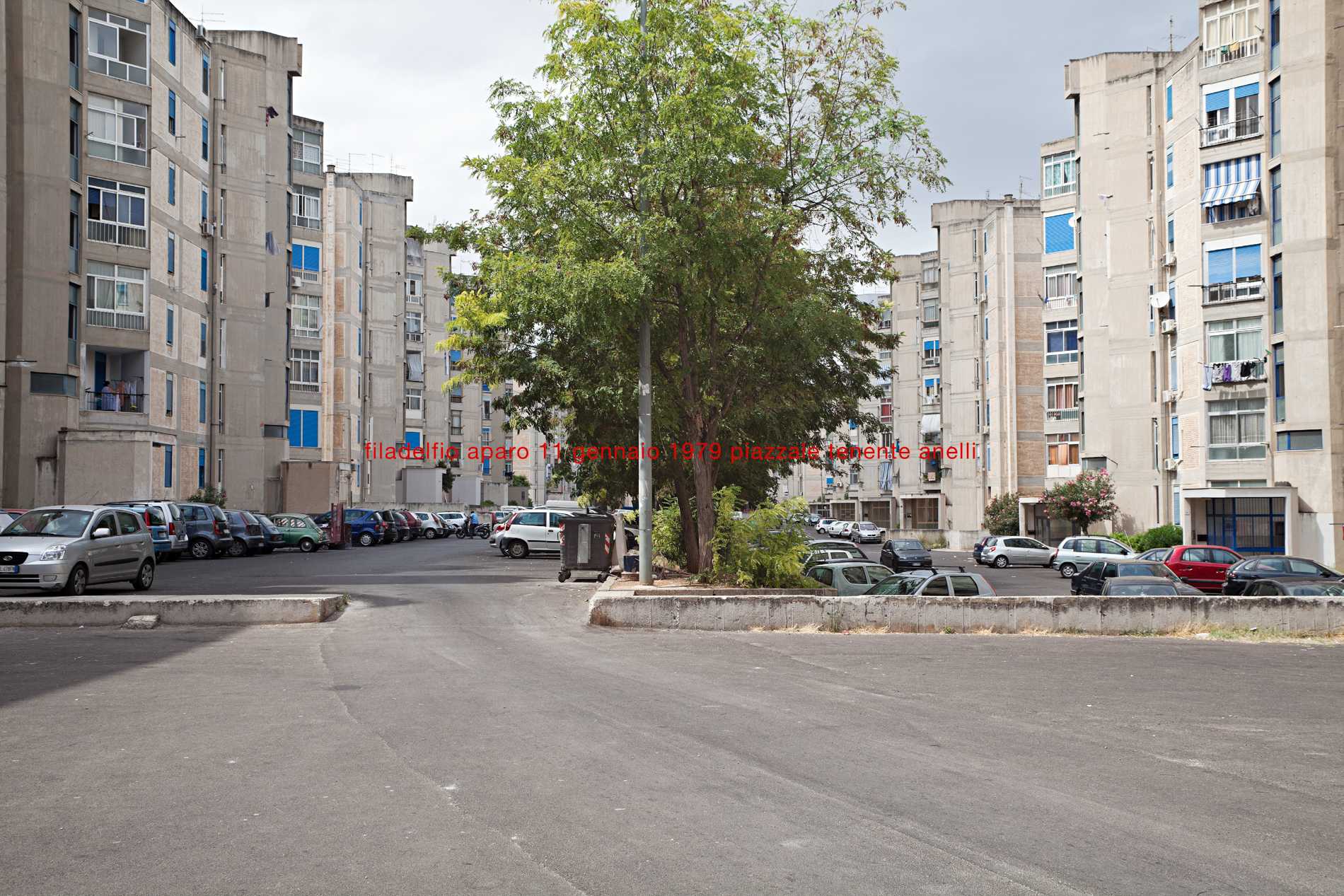
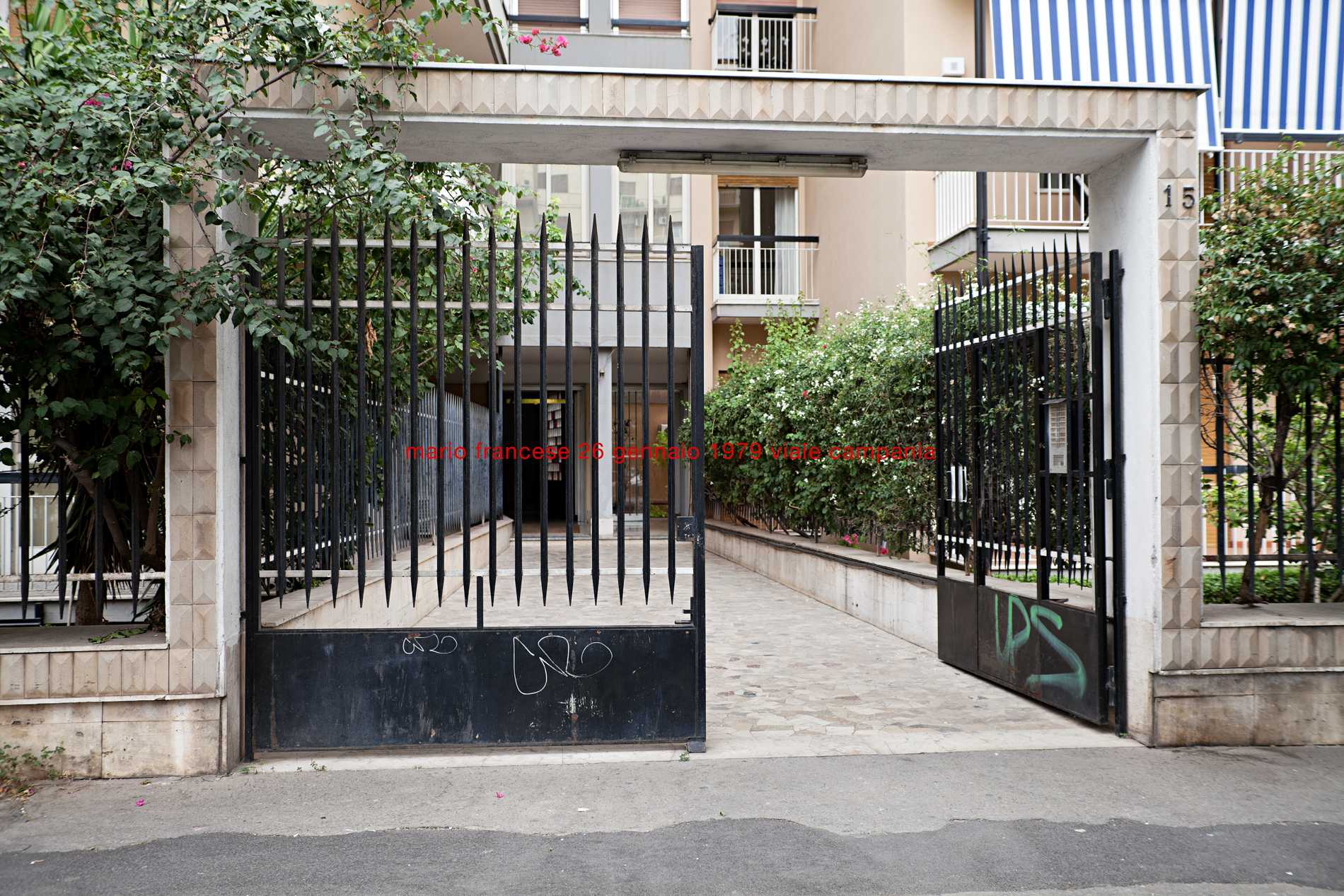
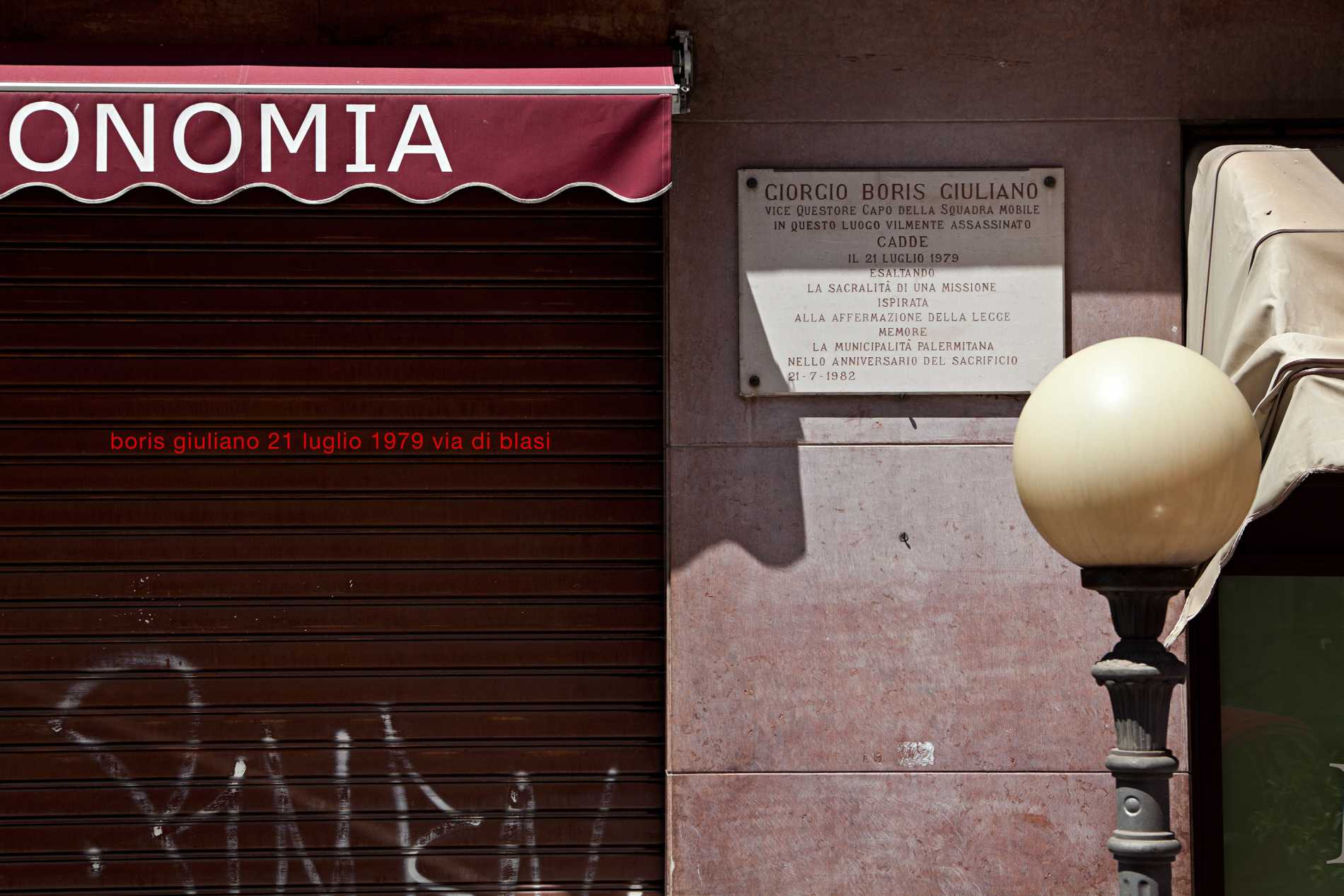
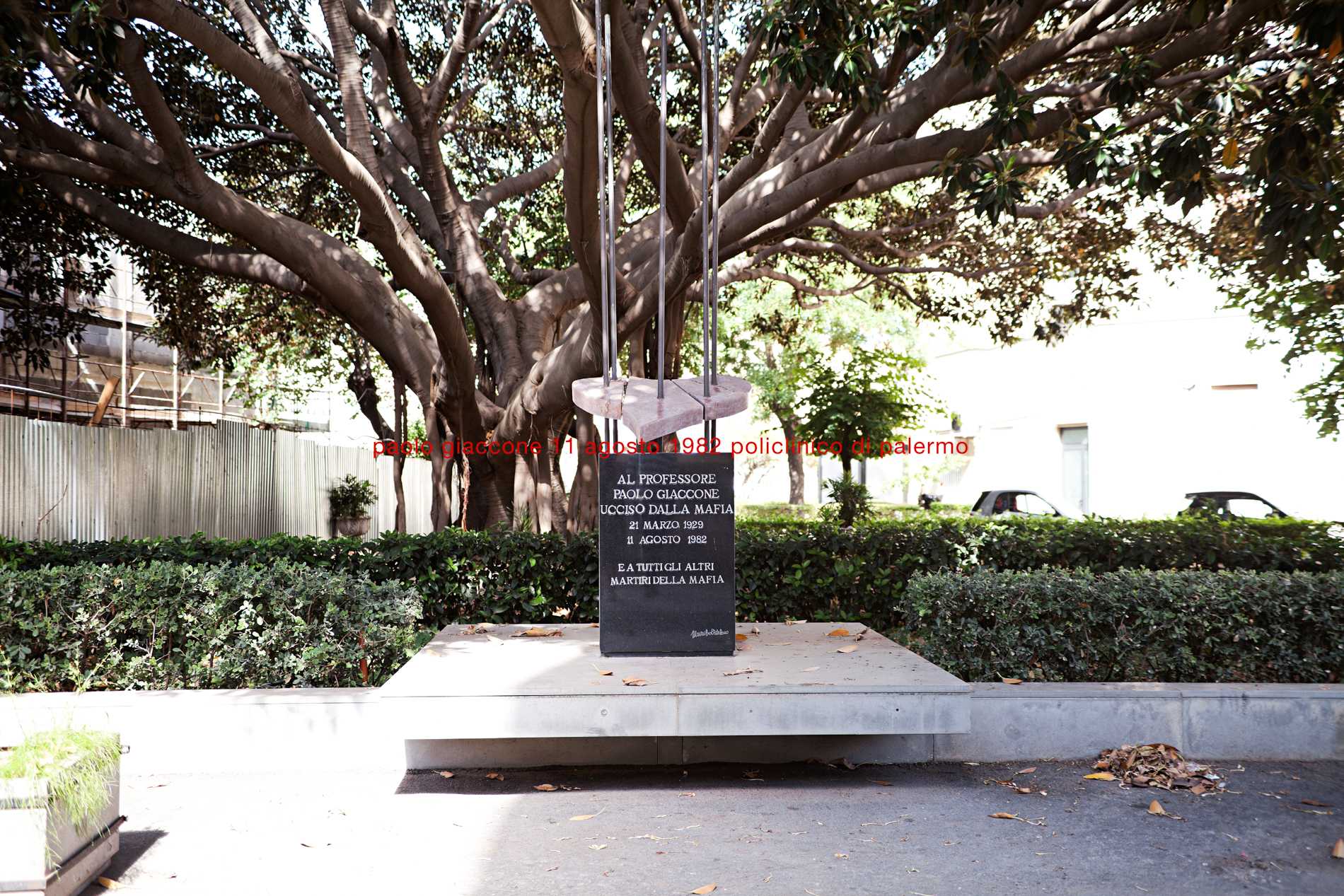
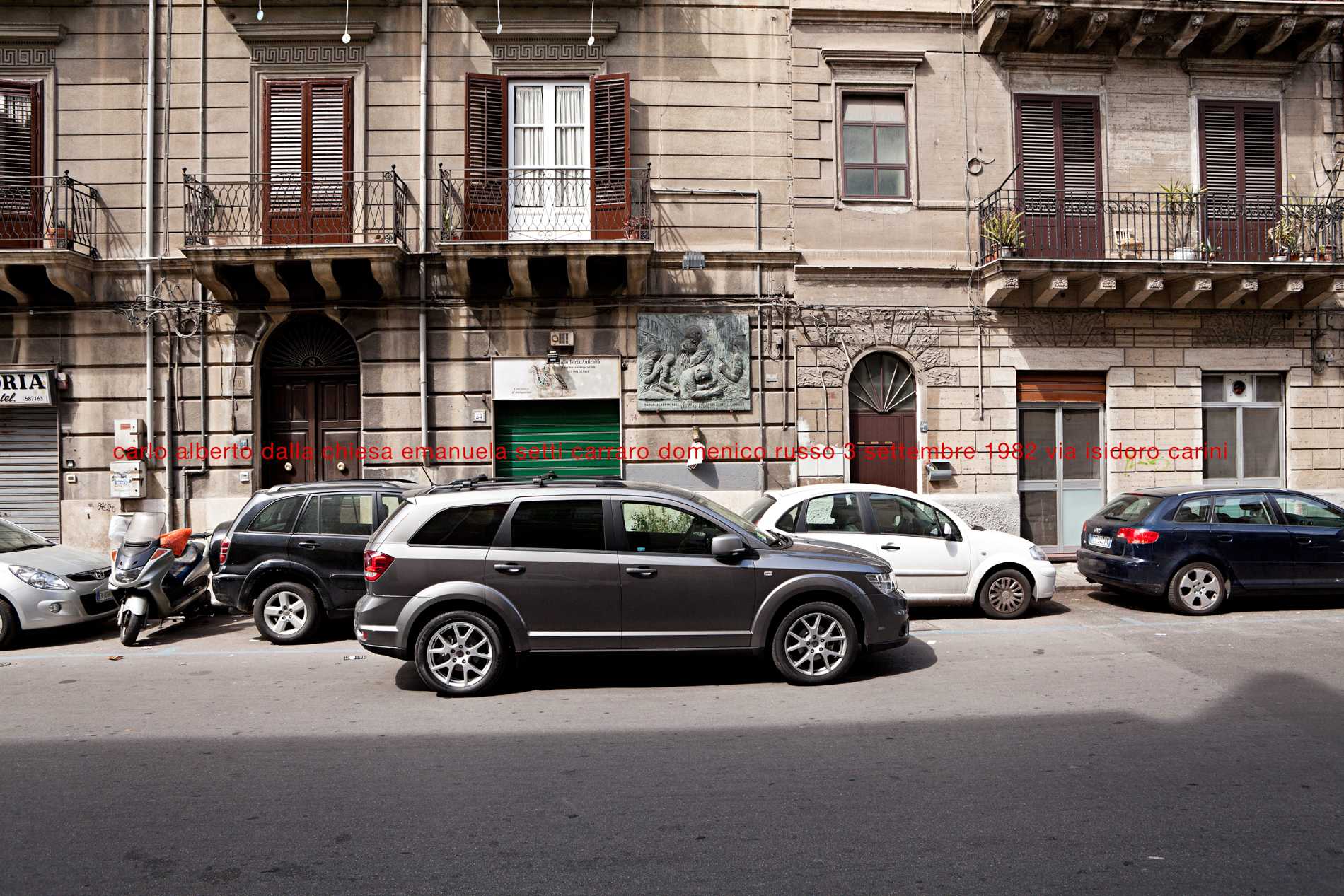
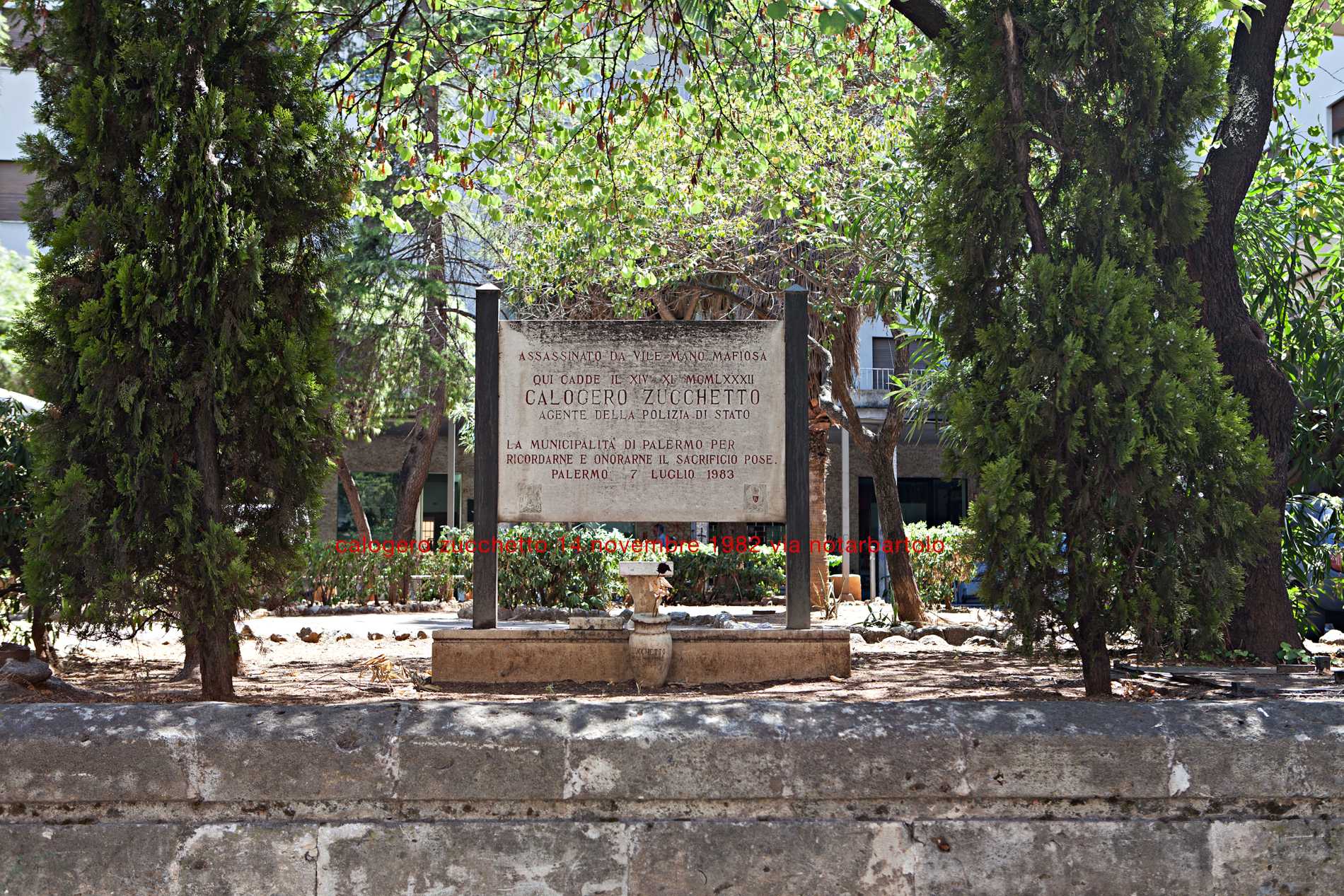
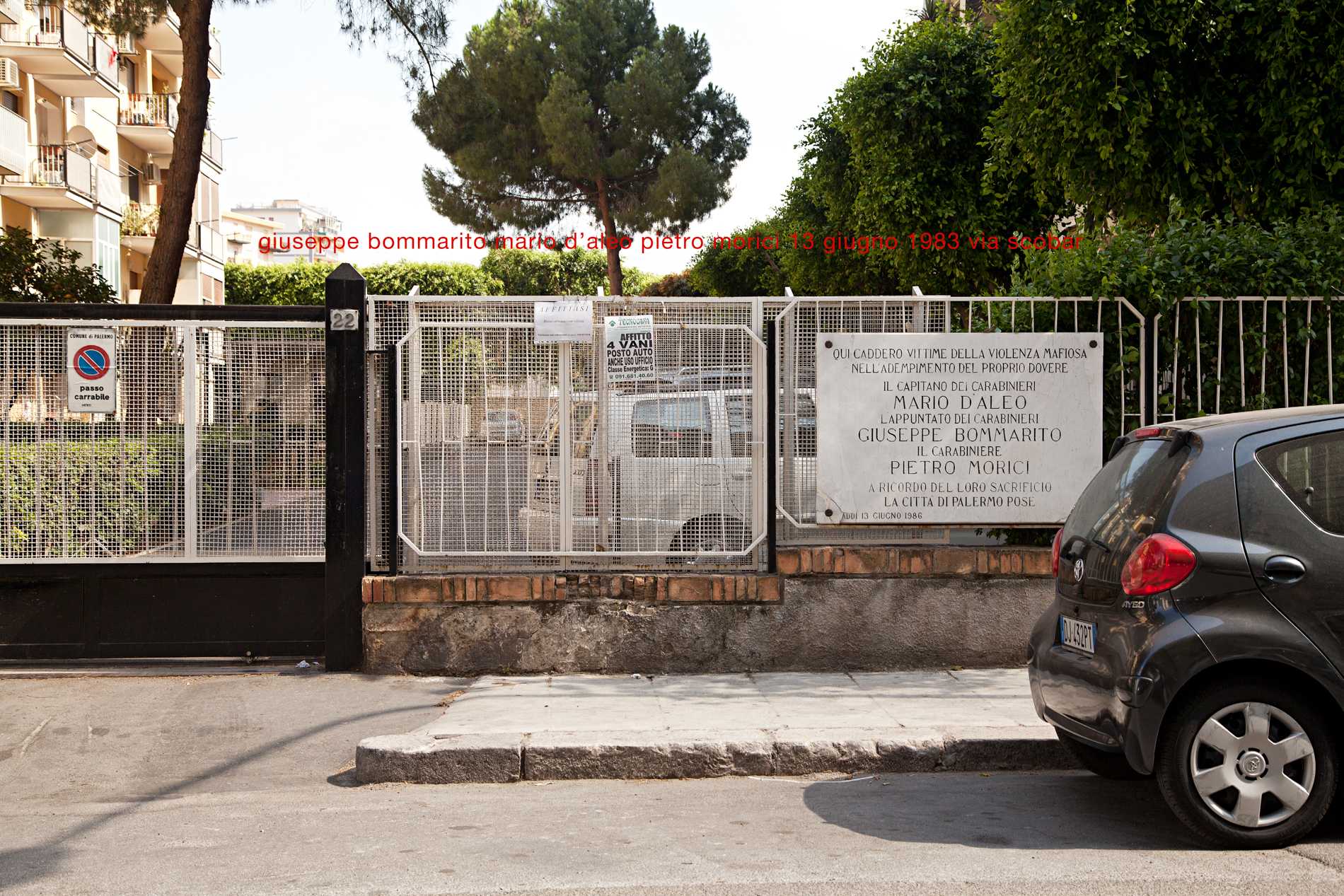
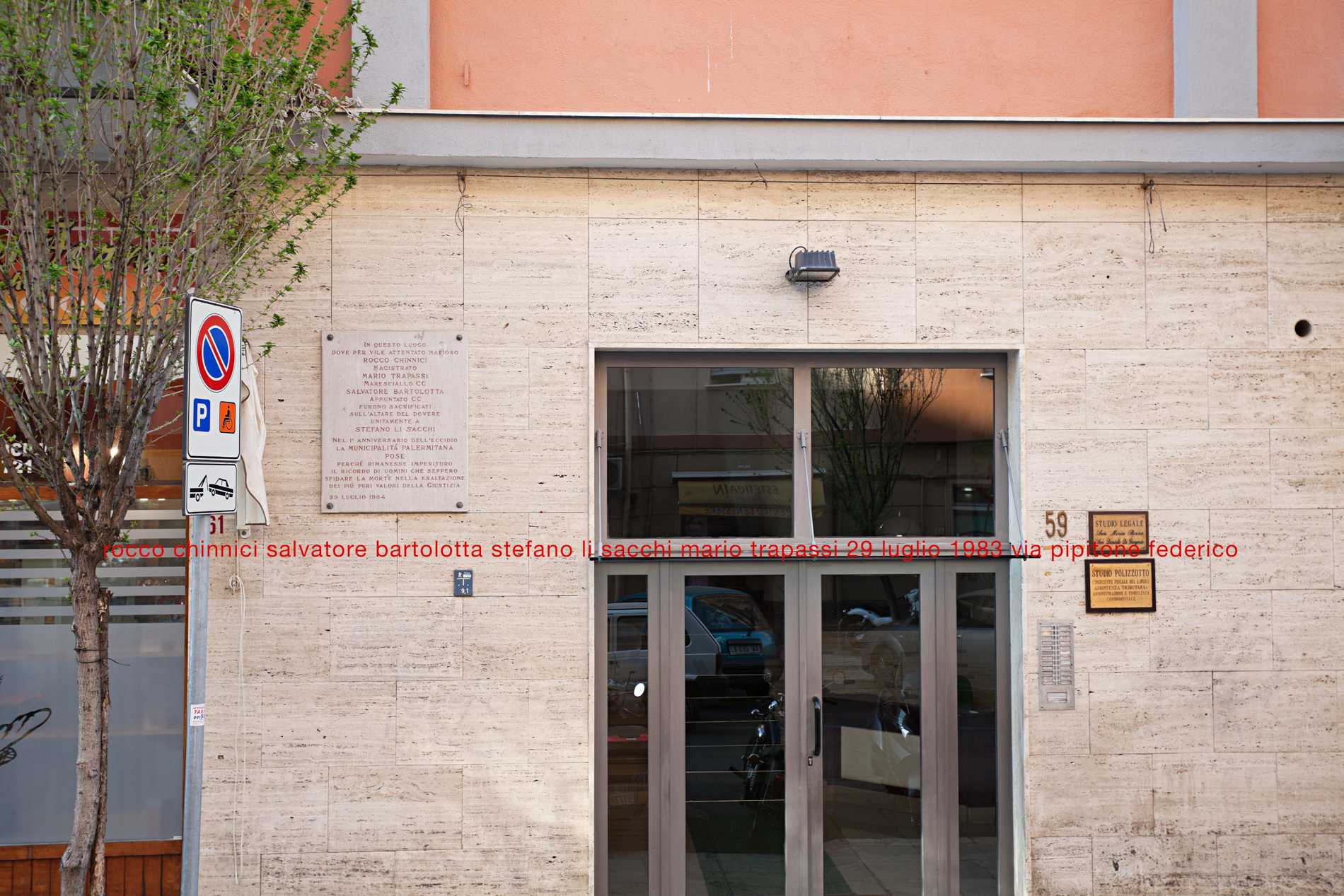
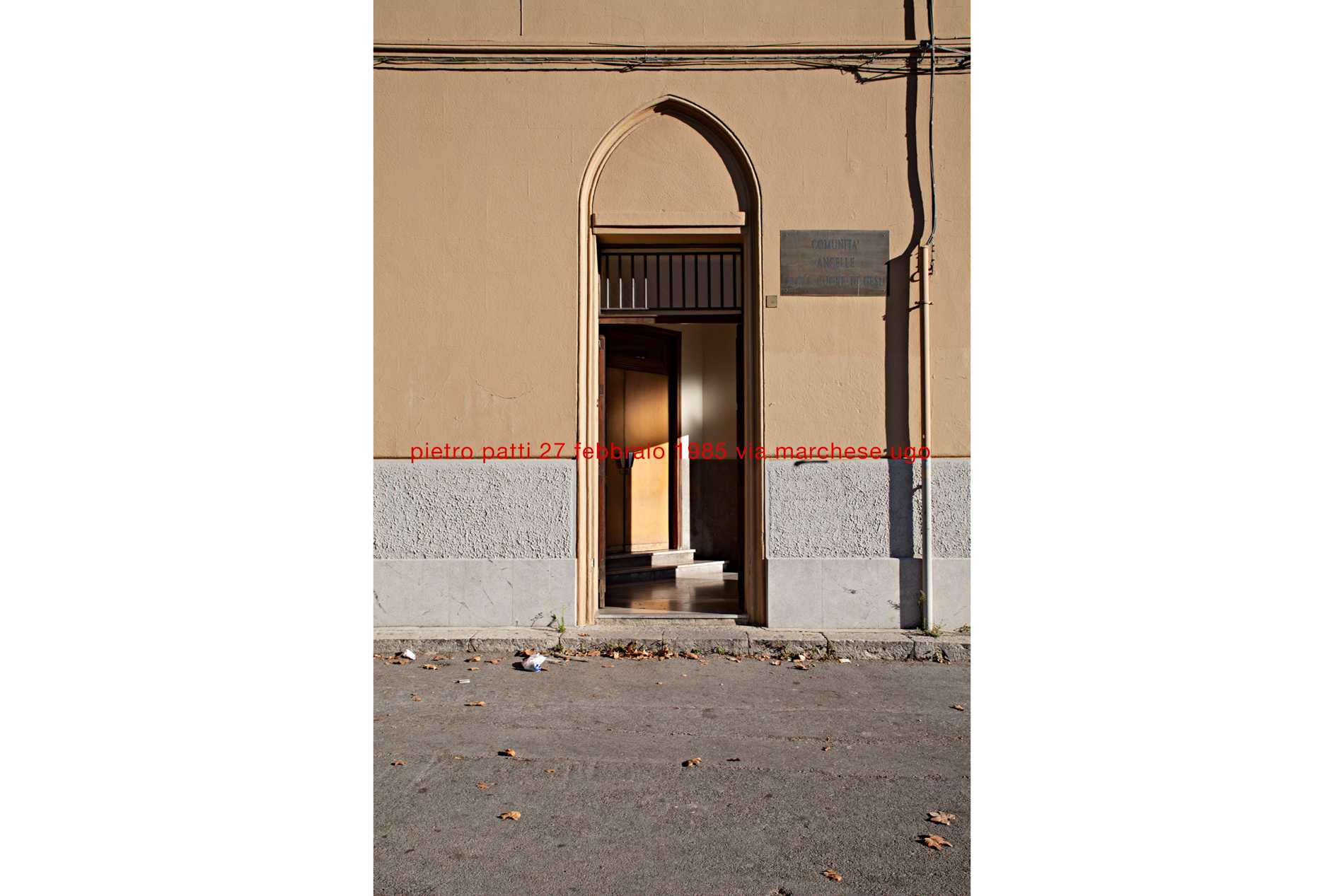
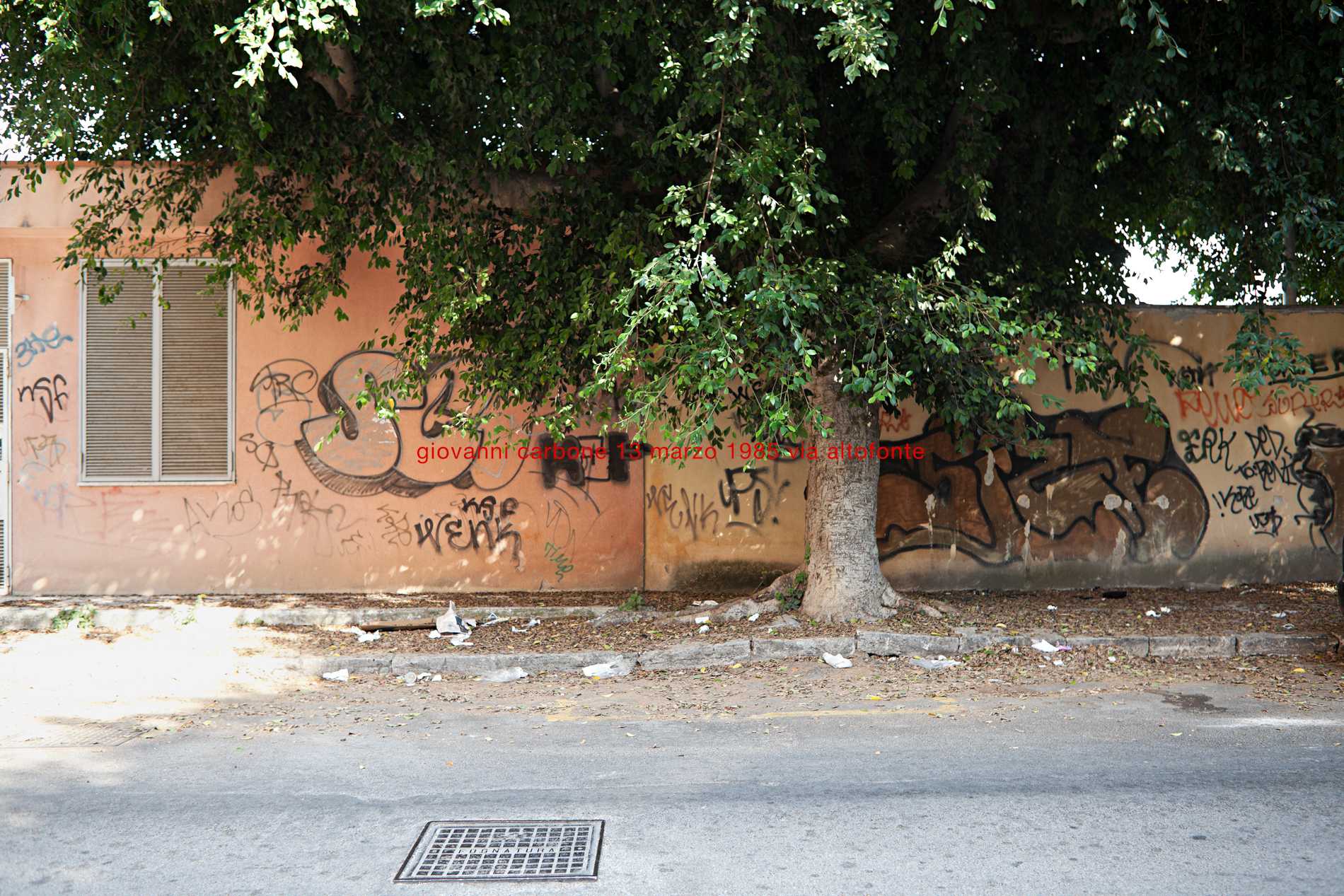
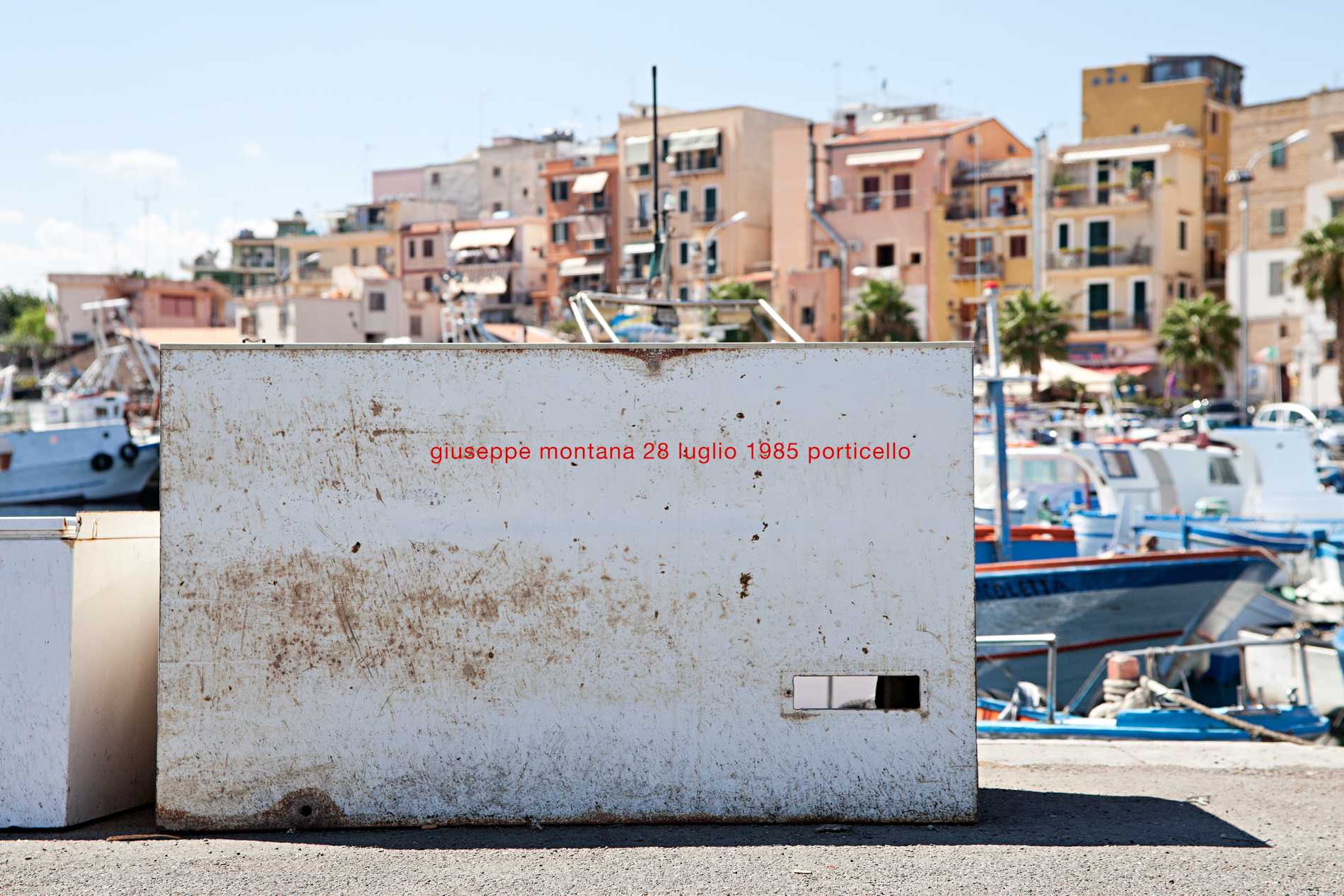
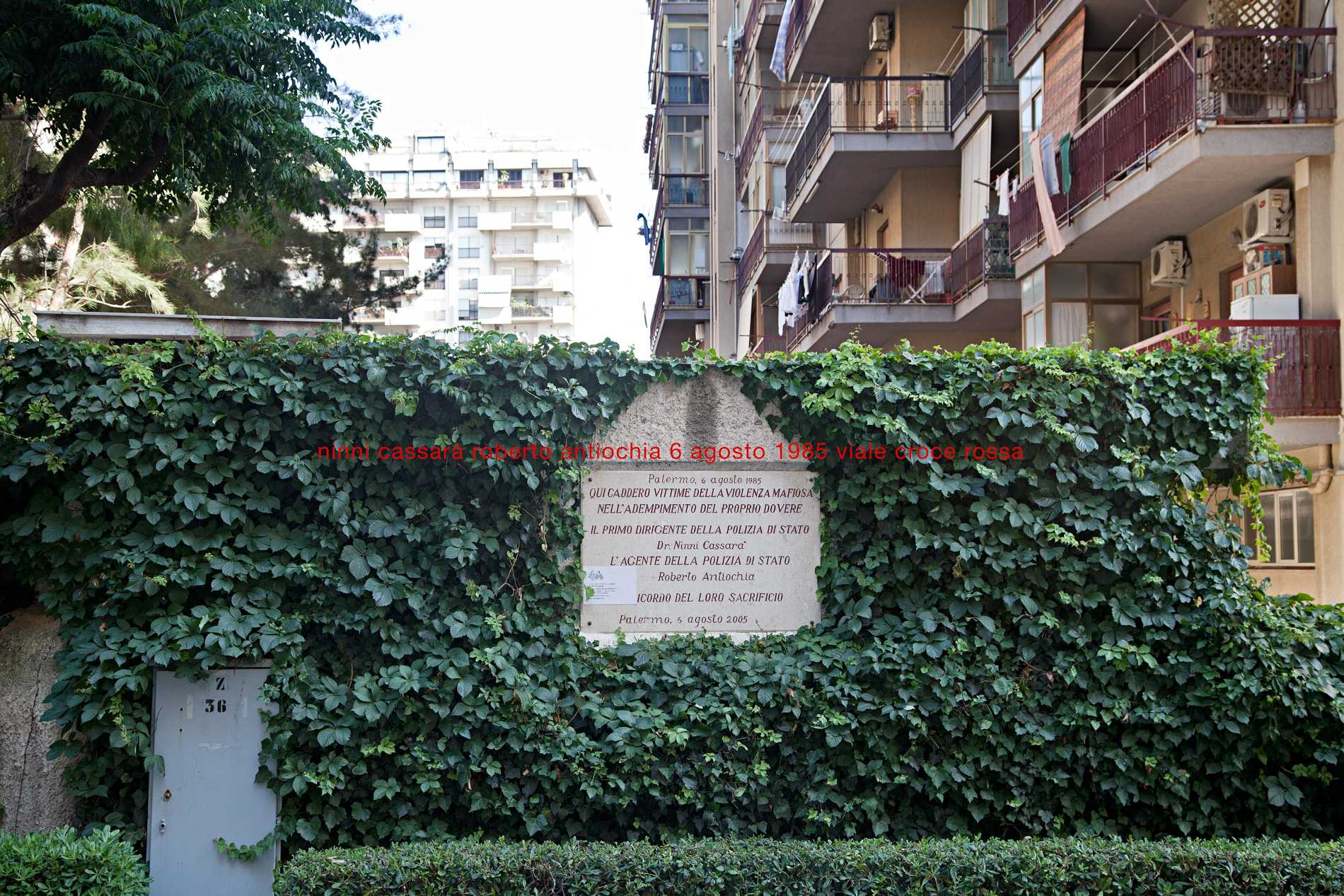
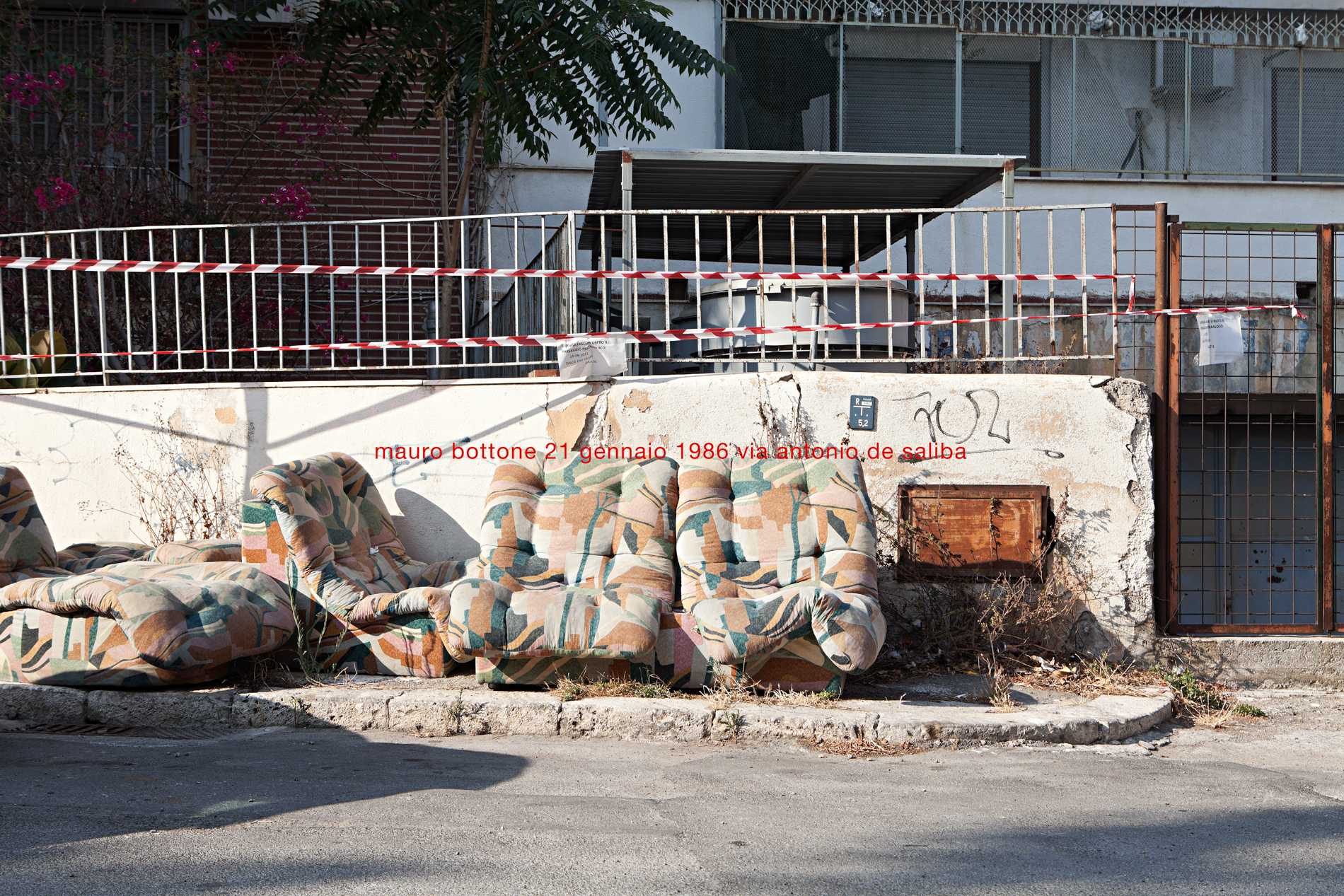
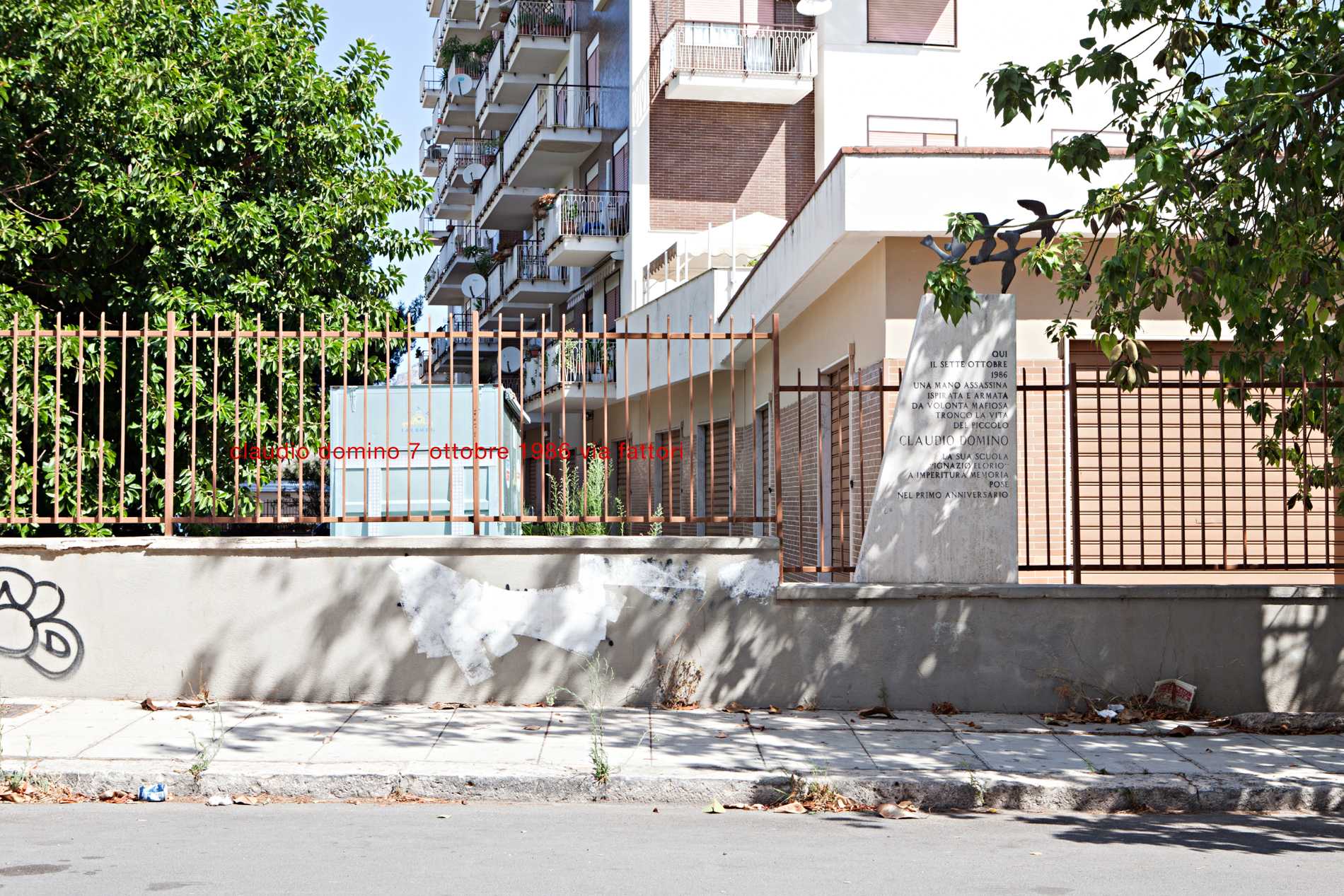
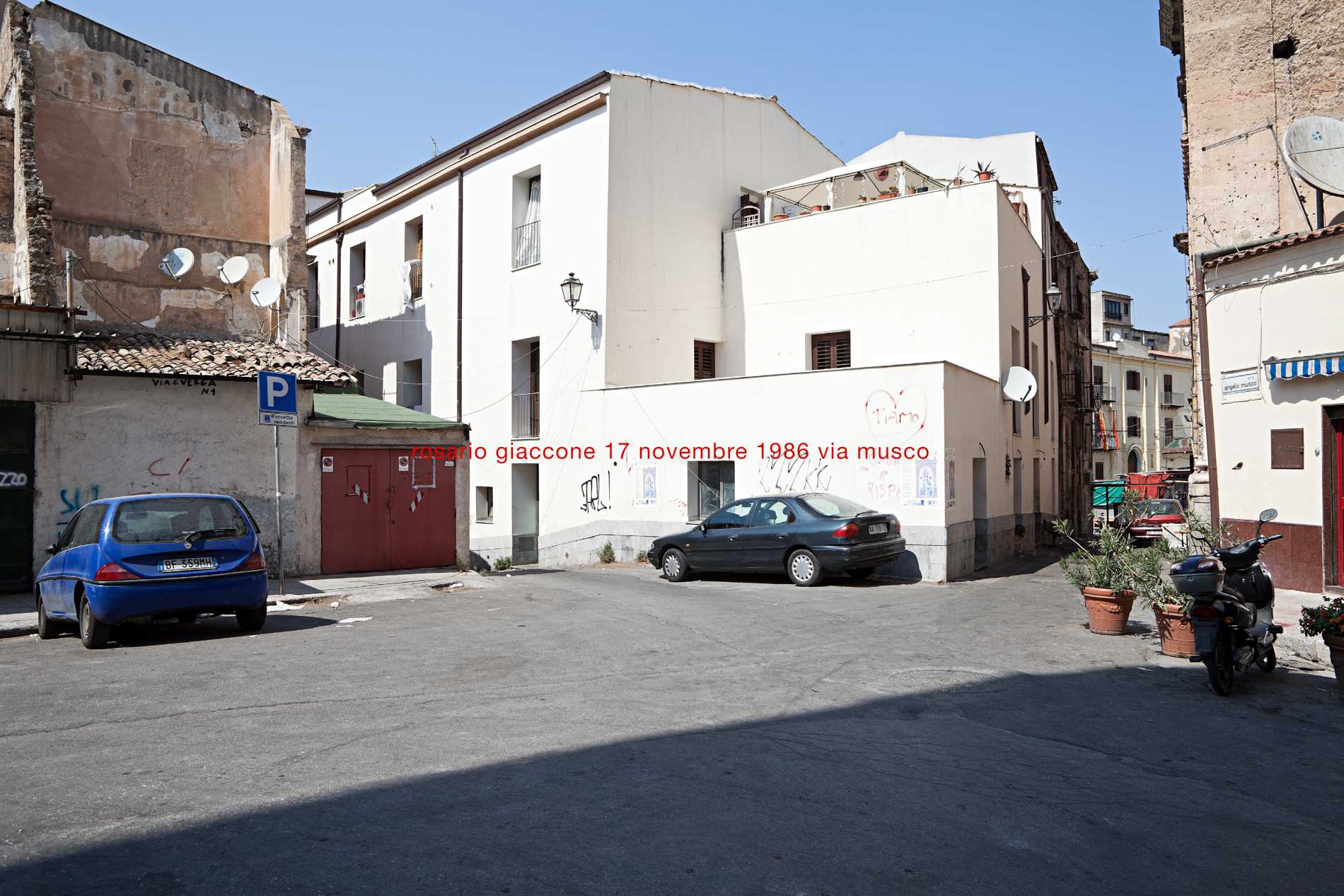
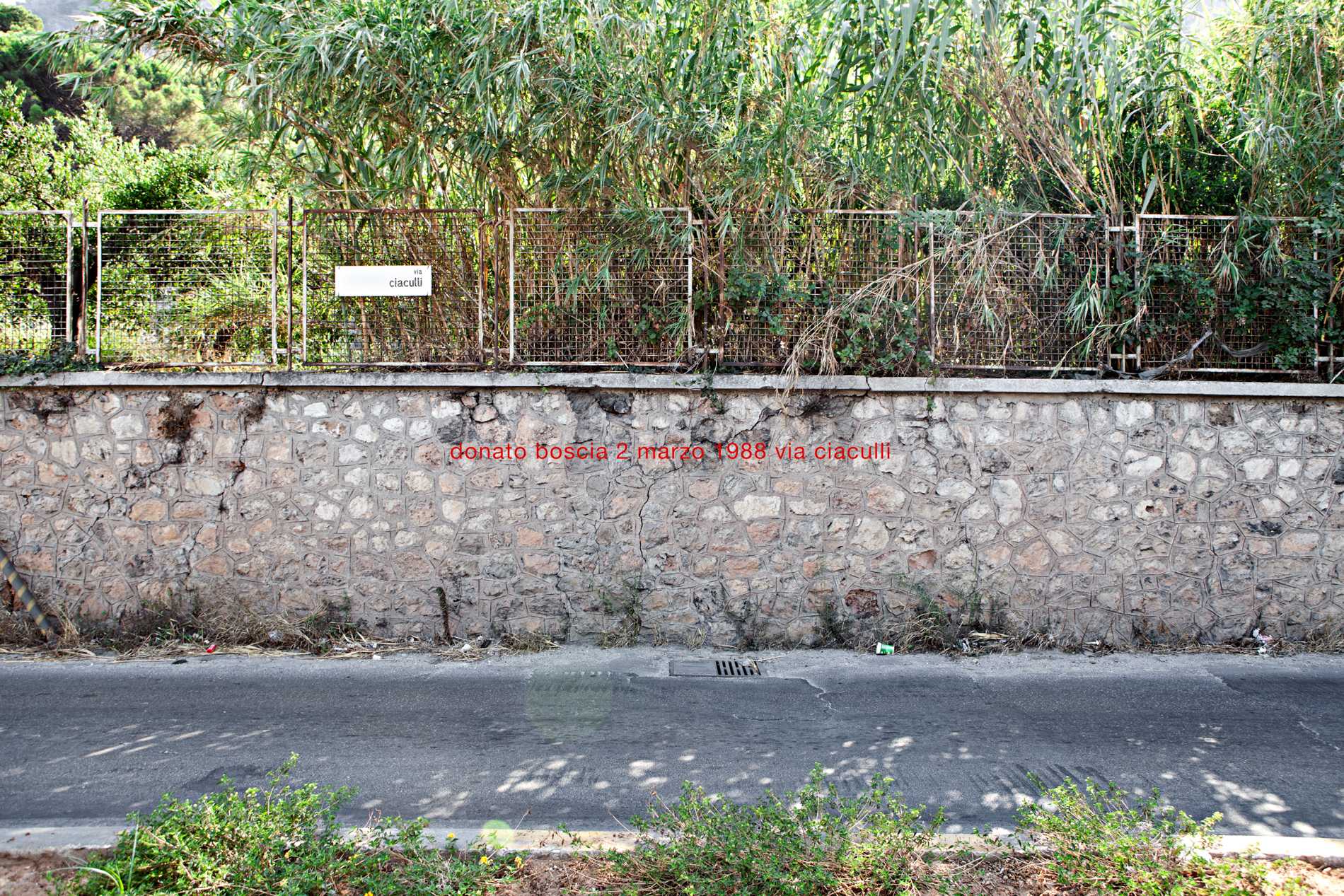
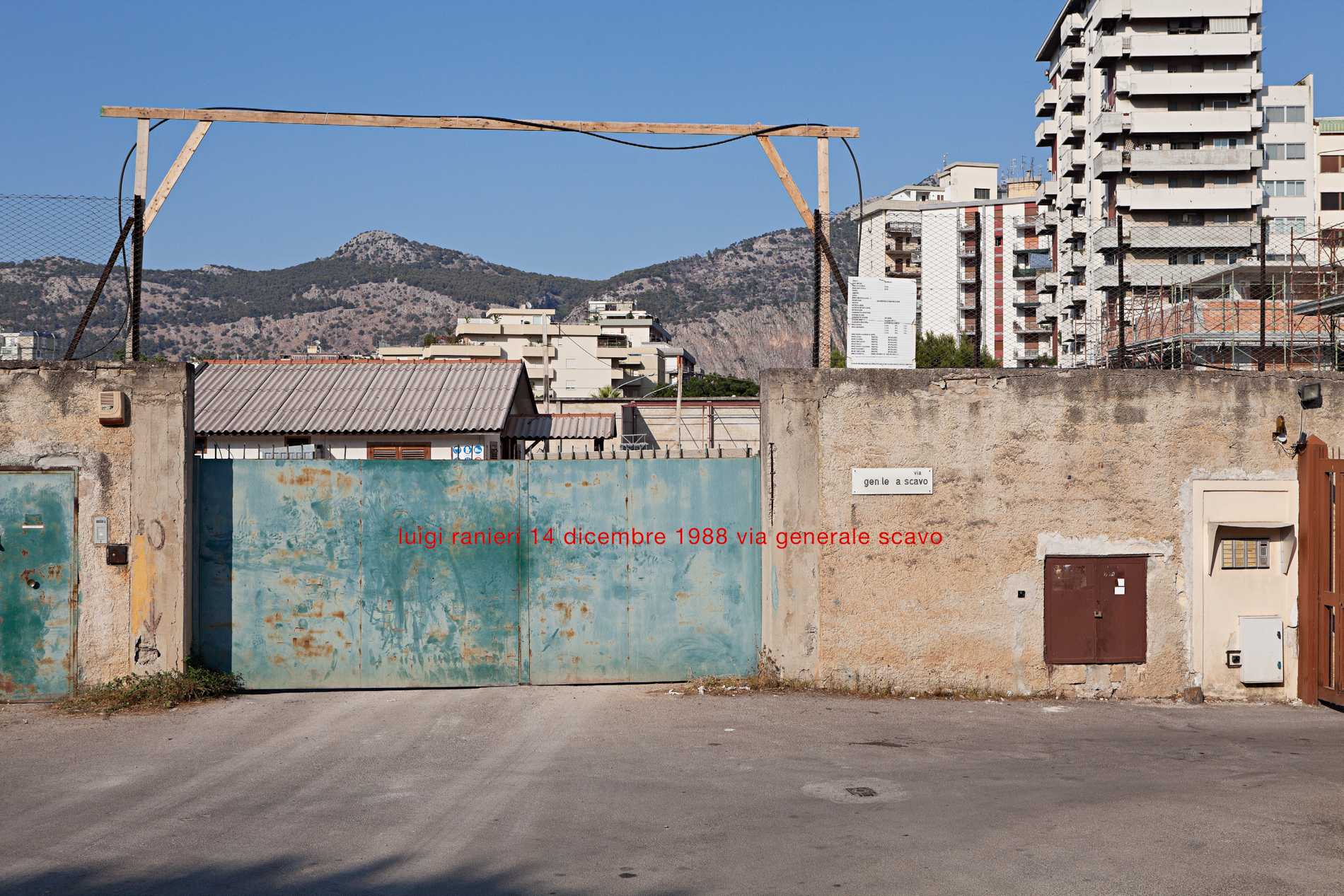
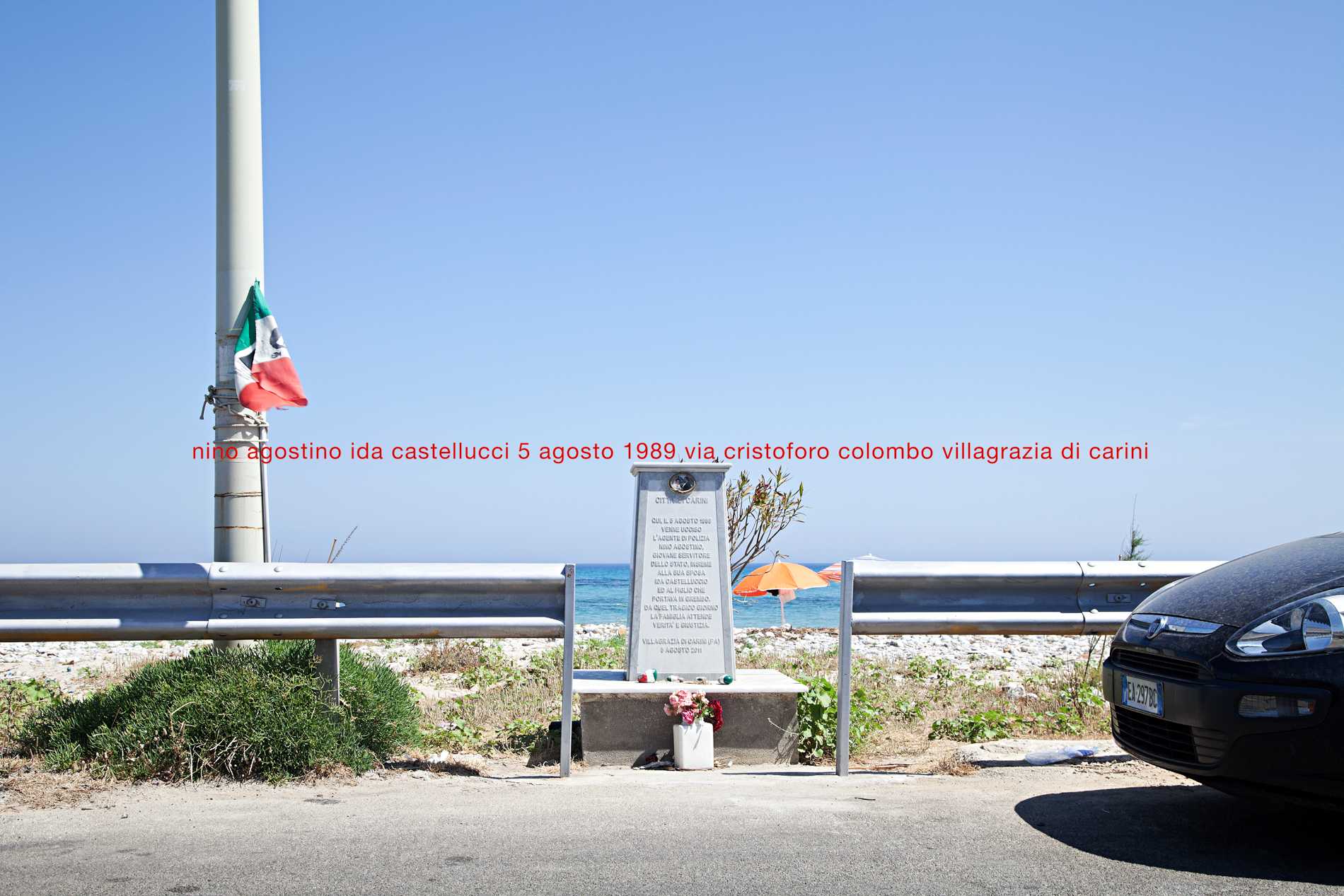
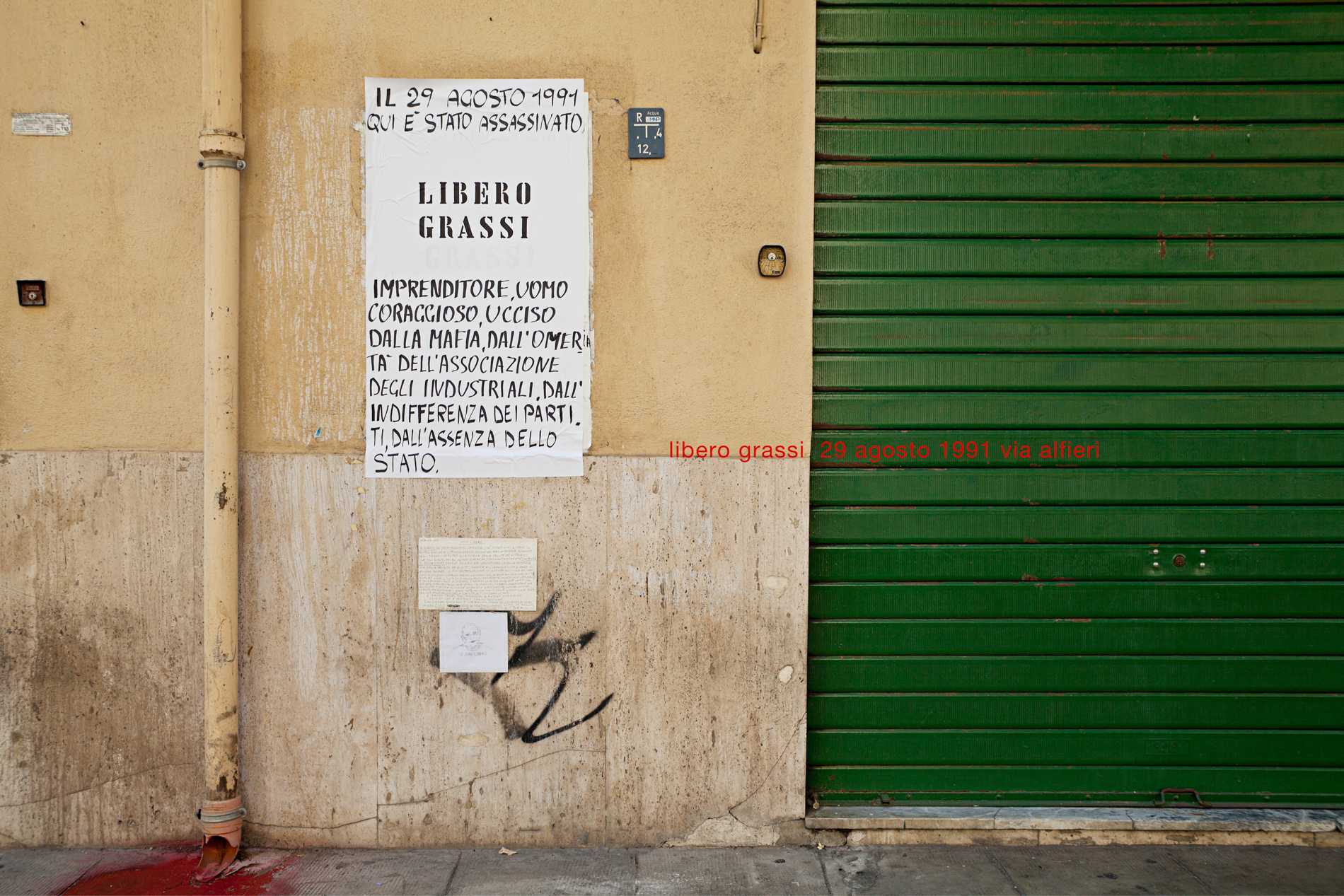
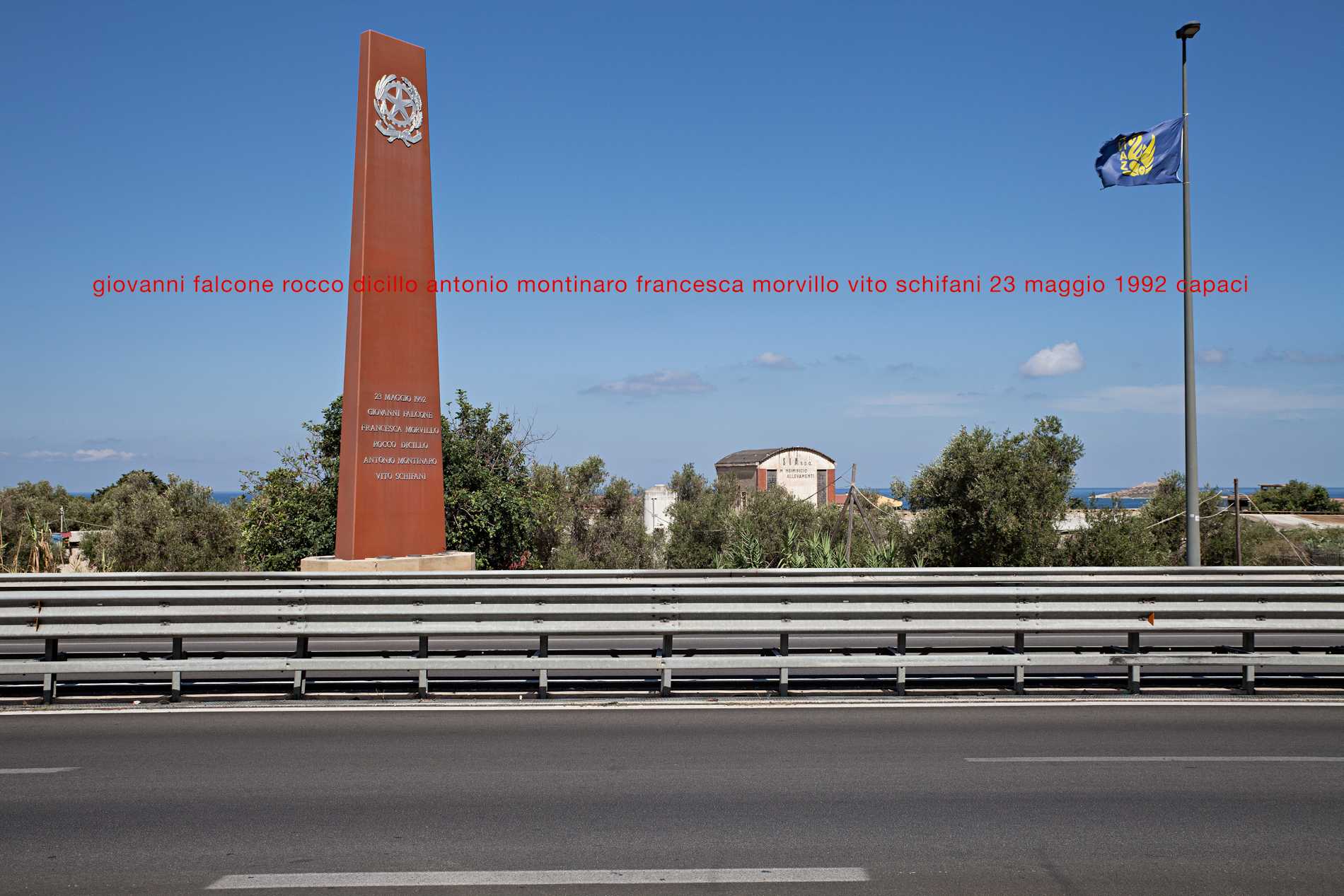
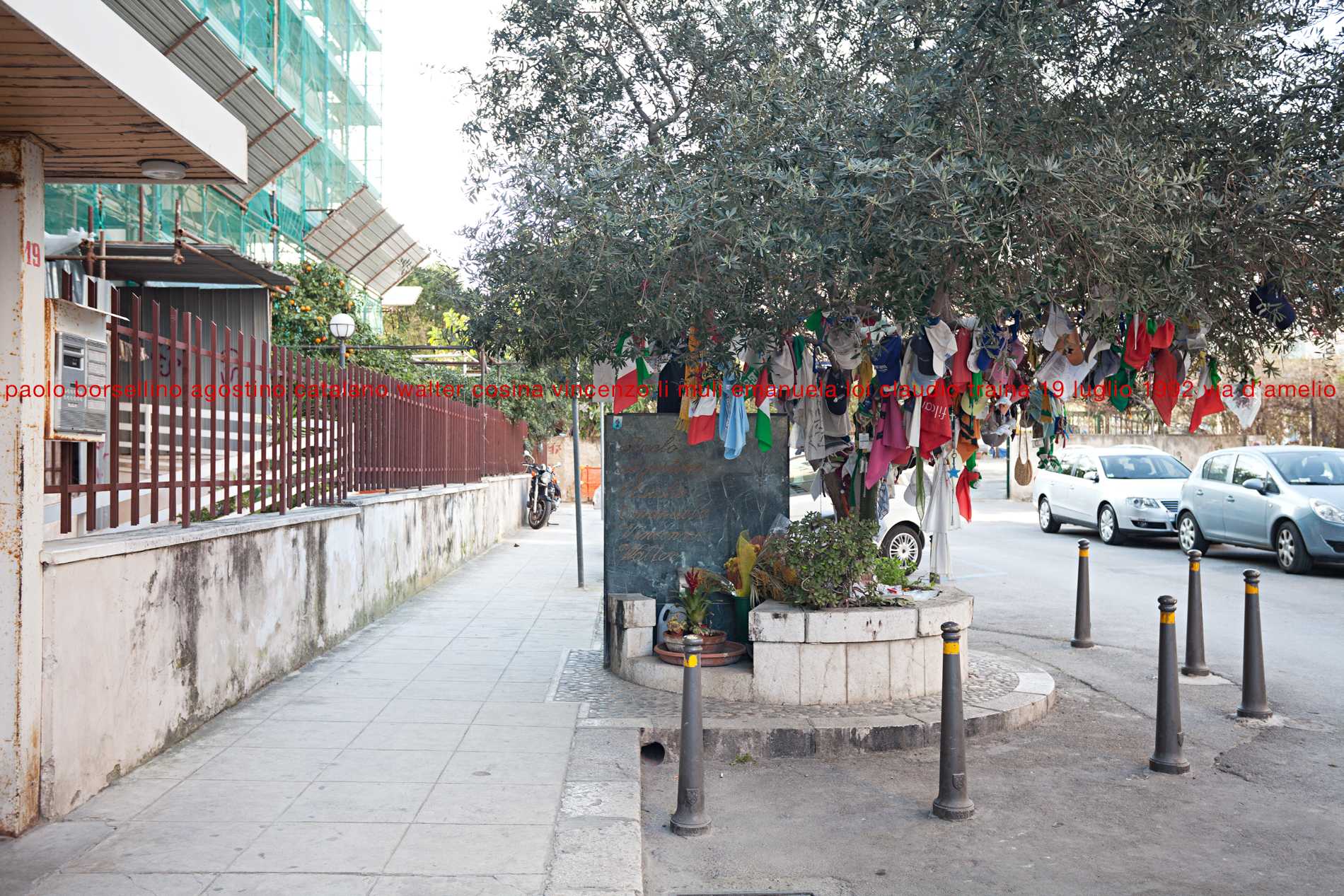
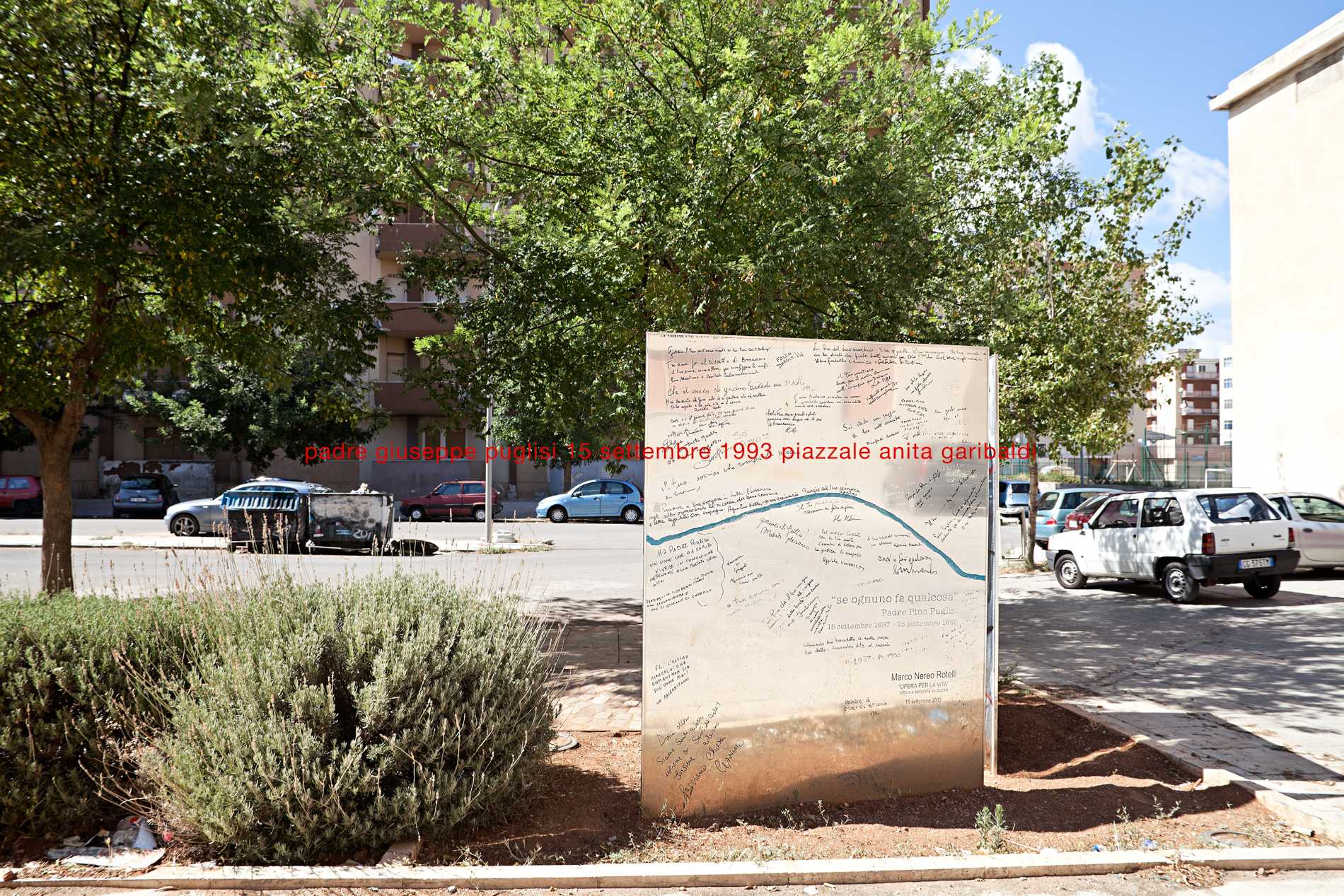
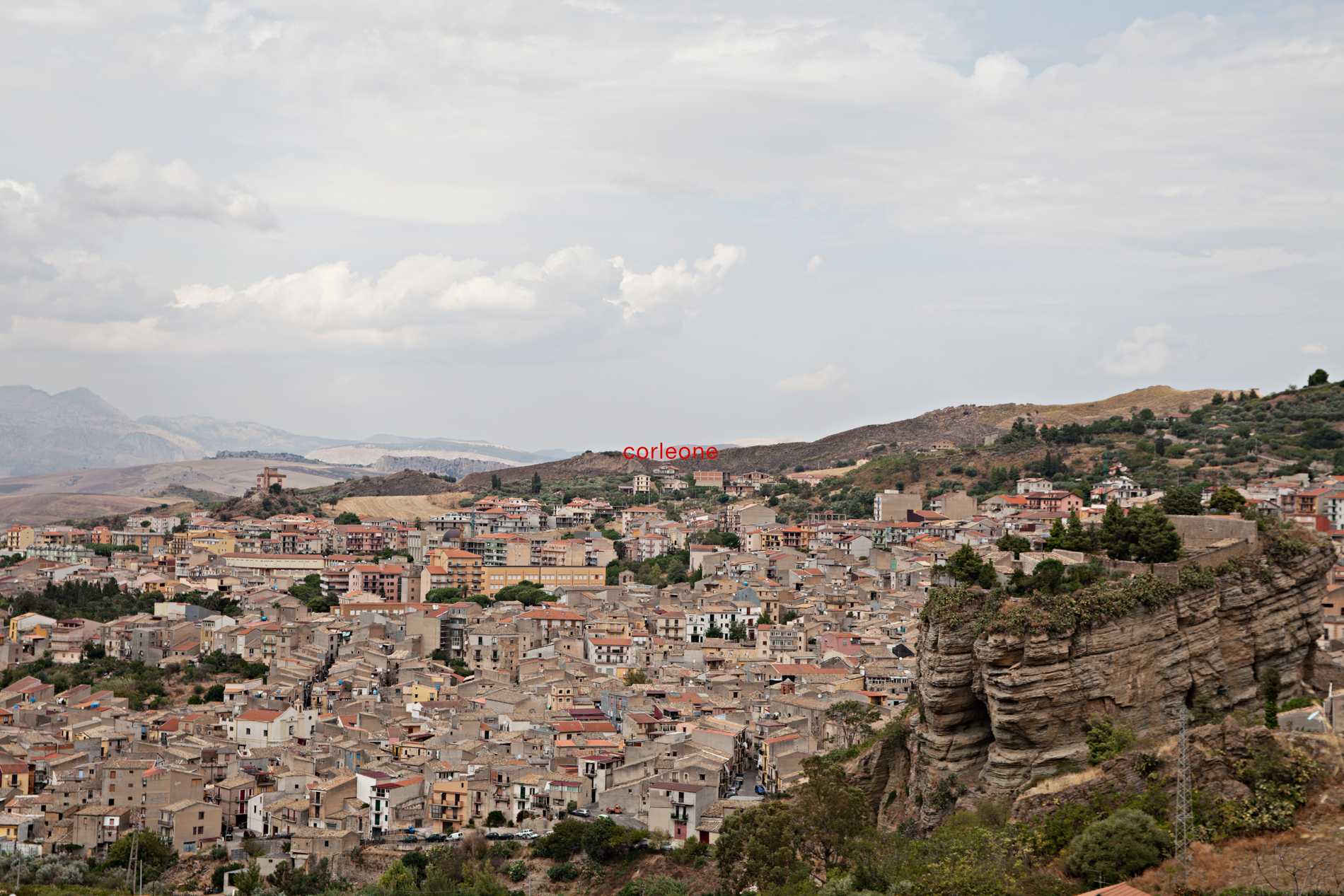
Topography of memory it is a photographic project aimed at documenting the places where innocent victims of the Mafia were killed in the province of Palermo.
The historical period considered spans more than a century of crime reports — from the first murder officially recognized as a Mafia killing, the “high-profile” assassination of former Palermo mayor Emanuele Notarbartolo on February 1, 1893,* to the present day.
I began imagining this project in January 2010, when the animated film Giovanni e Paolo e il mistero dei pupi* was released. I was 27 years old and bitterly aware not only that the Mafia still exists — as both an organization and a mindset — but also that newer generations are complicit in the loss of memory surrounding certain historical events.
I believe it is from the remembrance of sacrifice, often individual, that we must begin again. The list of victims is long and includes politicians, judges, police officers, bodyguards, journalists, entrepreneurs, women, children, and ordinary people who simply had the misfortune of being in the wrong place at the wrong time.
I was nine years old when Giovanni Falcone, Francesca Morvillo, Vito Schifani, Rocco Dicillo, Antonio Montinaro, Paolo Borsellino,: Agostino Catalano, Emanuela Loi, Vincenzo Li Muli, Walter Eddie Cosina e Claudio Traina were blown up.
Memory works in strange ways: I remember the Capaci massacre vividly — and Rosaria Costa, the widow of officer Vito Schifani. Of Via D’Amelio, I recall only Judge Caponnetto’s words: “It’s all over.”
How do you explain to a nine-year-old that everything is over?
Falcone and Borsellino are only the tip of a painfully long and unsettling list of victims.
I decided to rebuild and construct my own memory, in an attempt to share it — so that the sacrifice of these people would not be forgotten.
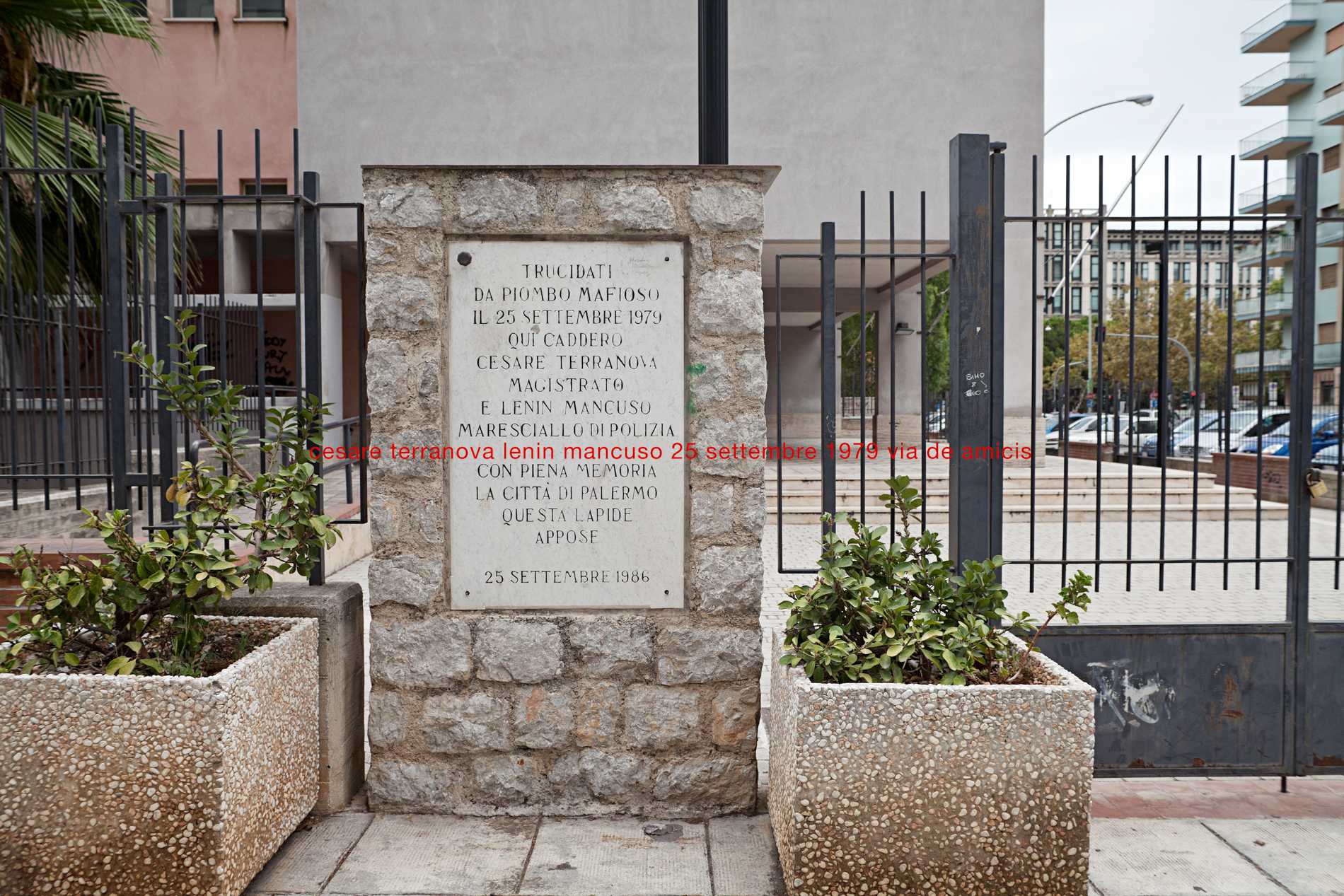
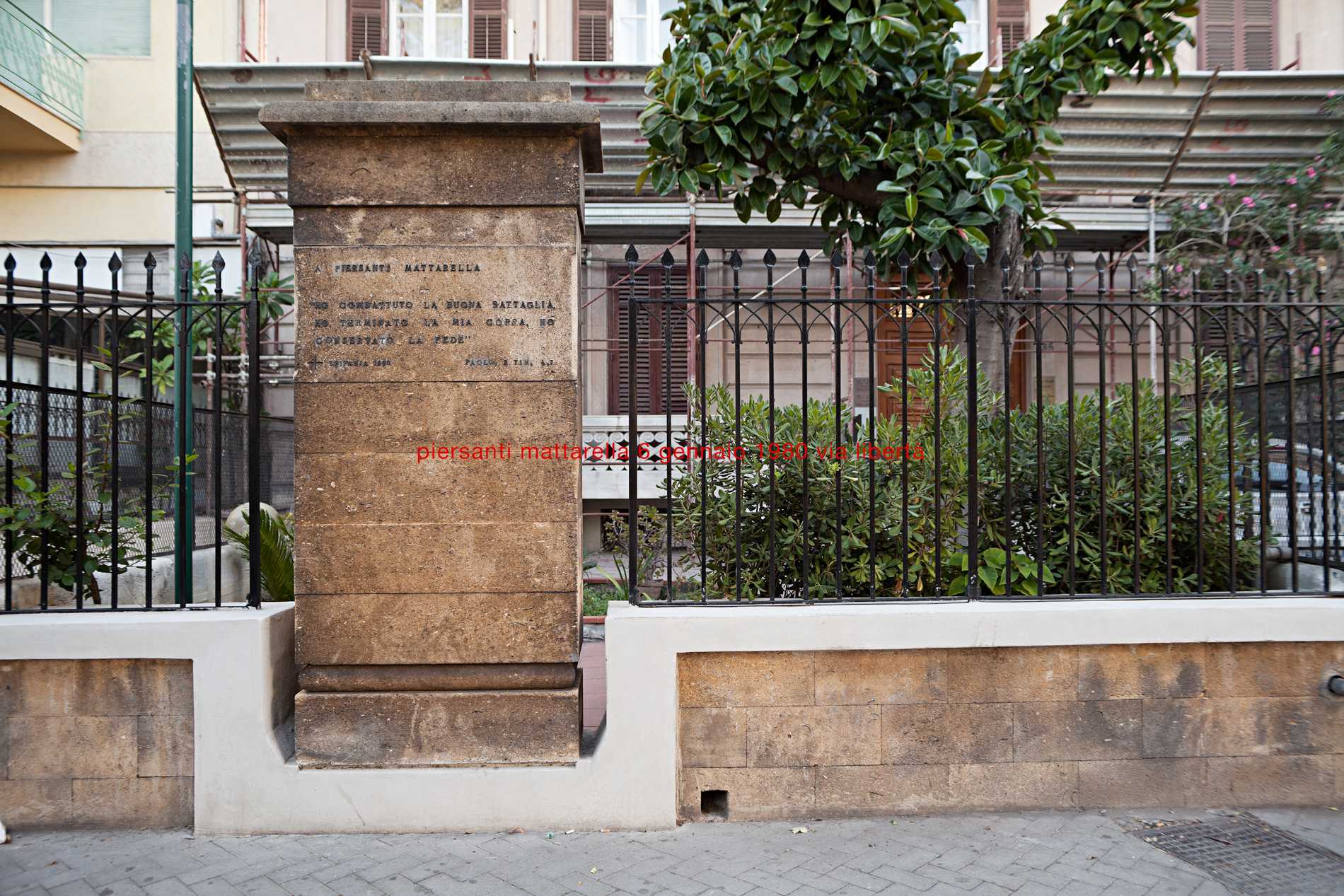
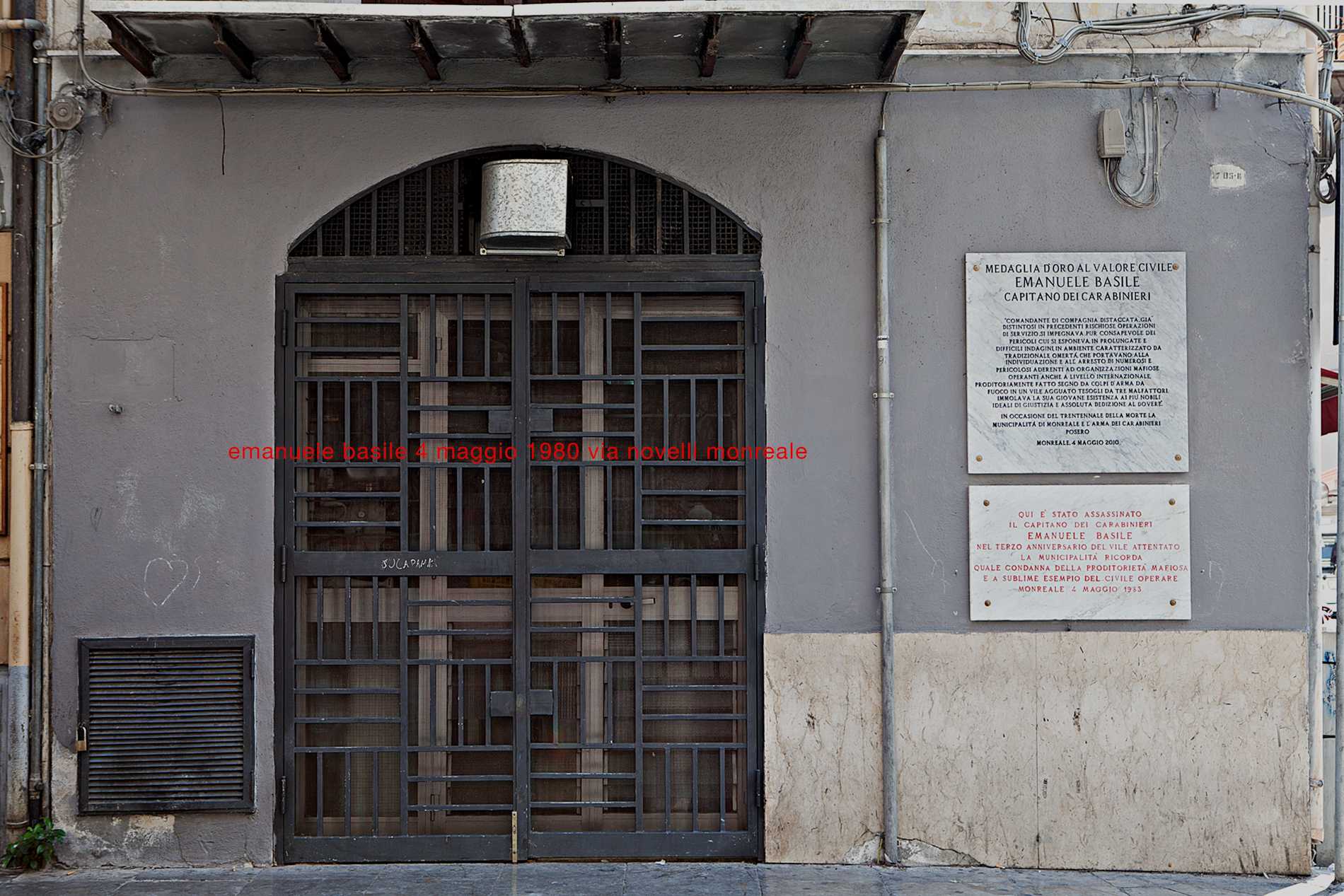
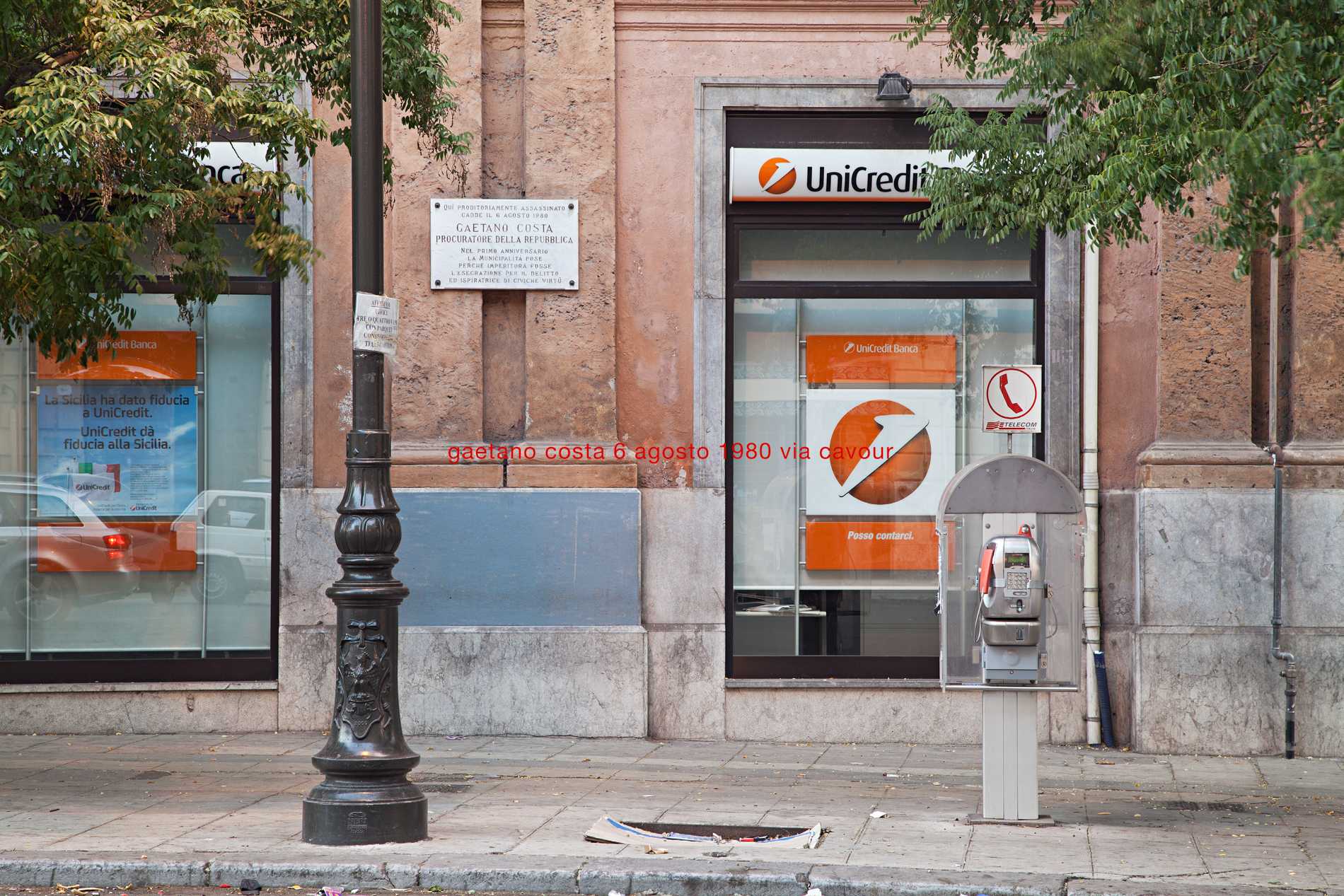
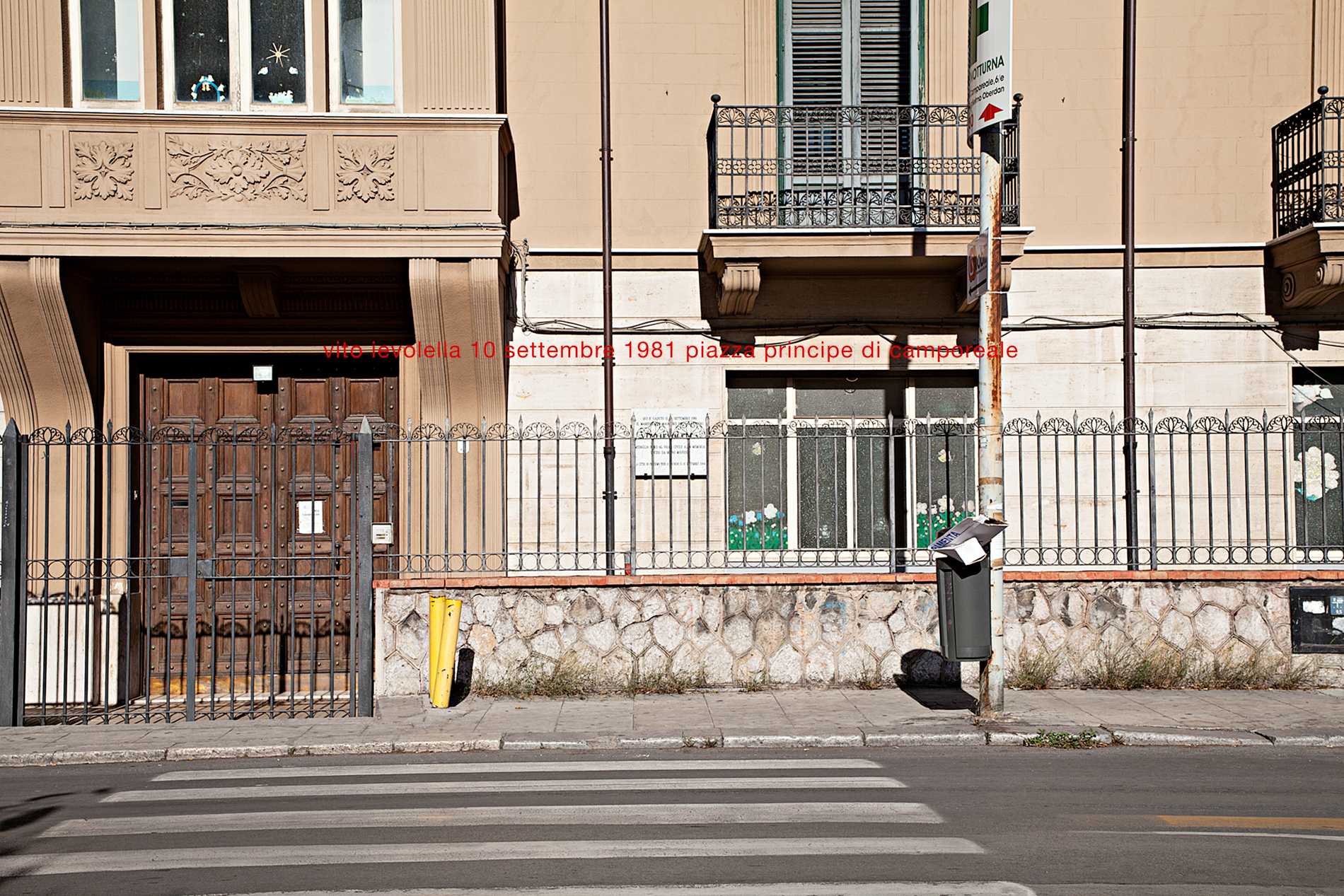
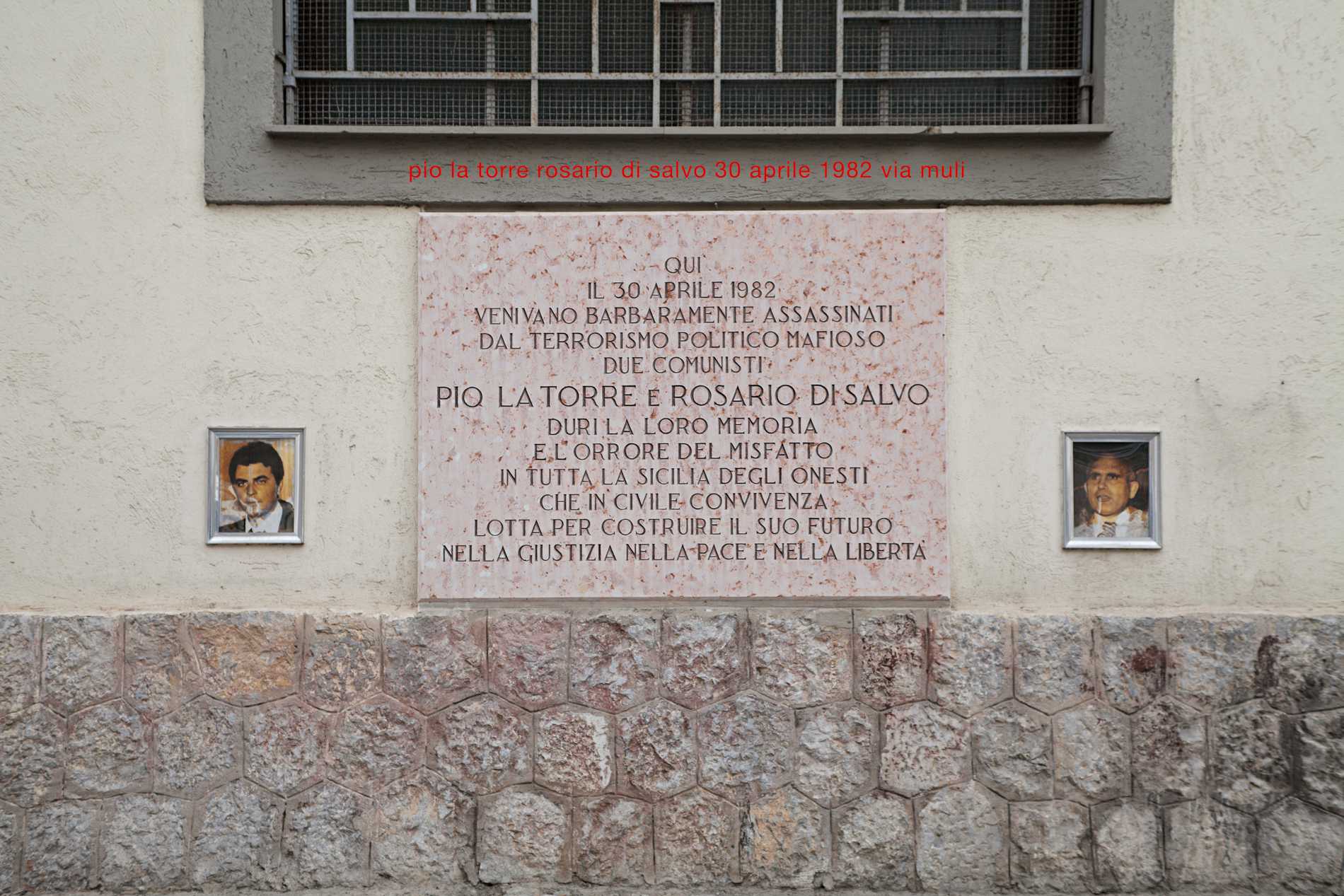
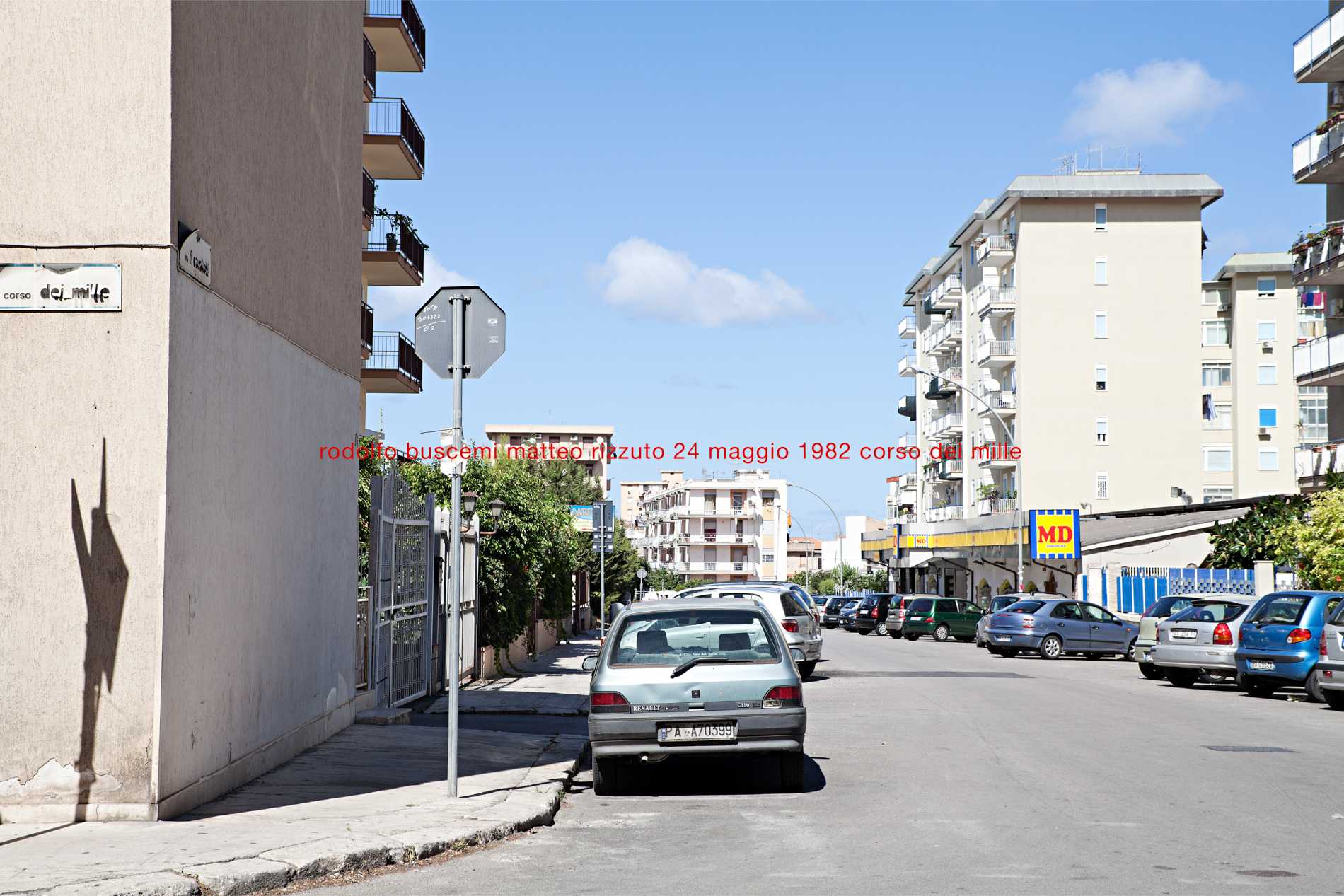
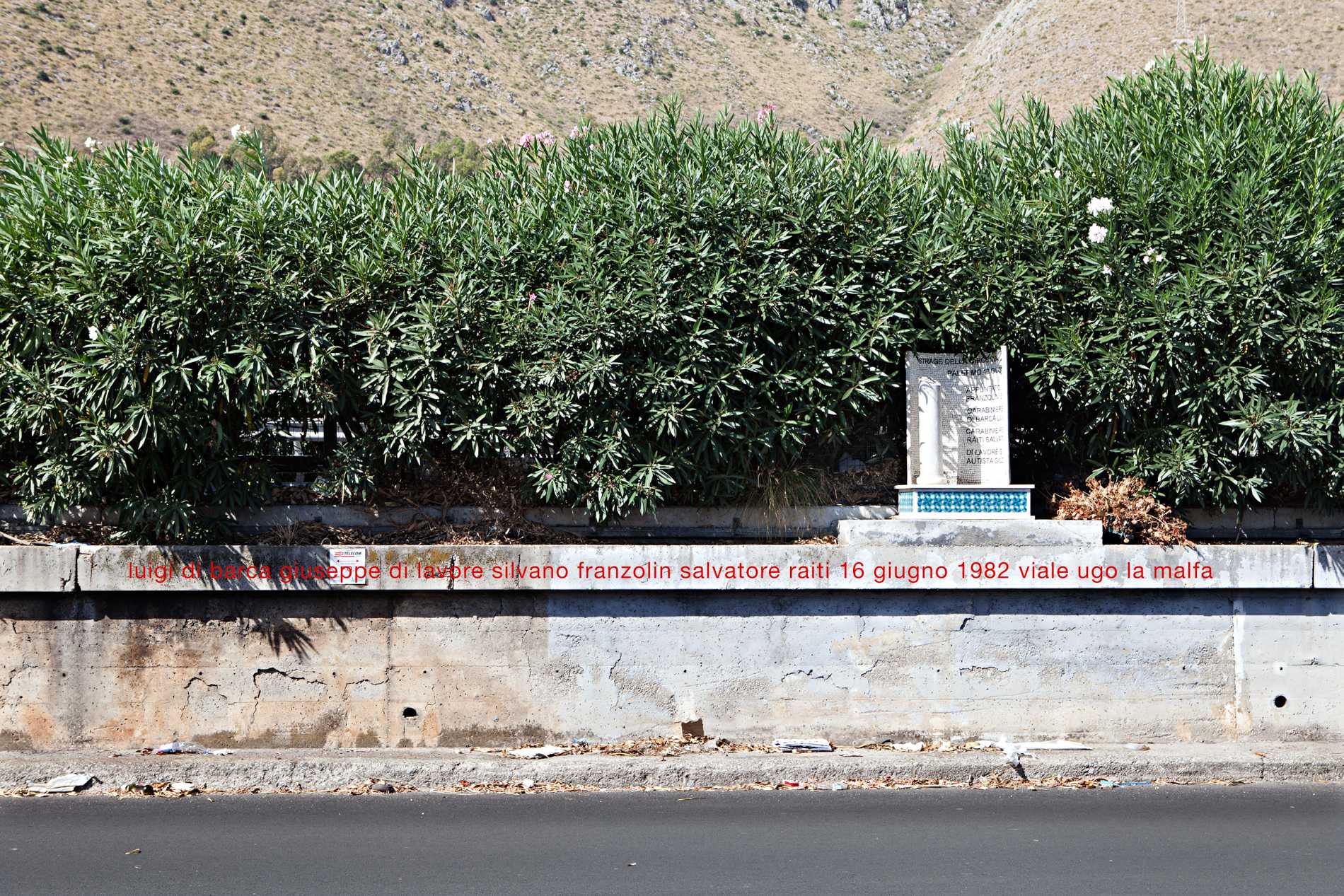
In the collective imagination, some of these sites of death, especially those tied to prominent victims, are associated with black-and-white photographs filled with white sheets, corpses, bloodied car seats, rubble. In my project, I chose to portray these places as still, orderly, and defenseless — as if nothing had ever happened.
On each photograph, the name of the victim, along with the date and location of the killing, is written in a typeface reminiscent of geographical maps.
Reconstructing these places is not easy. I realized there are first-class and second-class victims, as though some deserved to be remembered a little more. Or perhaps memory follows its own economy, making it impossible — unbearable — to remember everything.
This erasure can be felt in the presence or absence of memorial symbols; it’s not always possible to pinpoint the exact site of a murder, despite my efforts to be as meticulous as possible, cross-referencing multiple sources.
I haven’t lived in Palermo since early 2009. I left — exhausted, and without guilt.
In the years that followed, distance and a different perspective allowed me to discover a kind of affection I never thought possible for my city — an affection steeped in bitterness and anger.
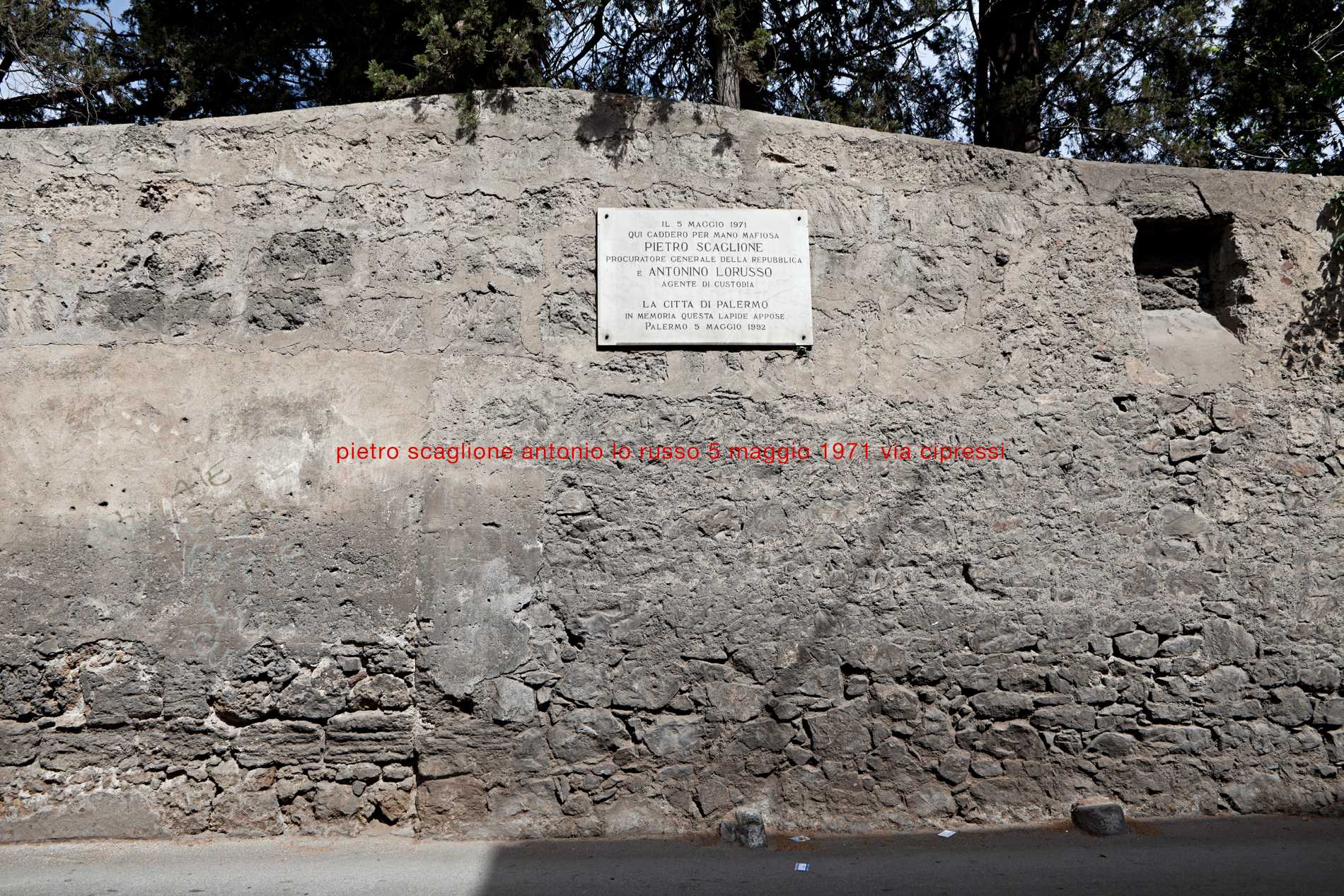
* Emanuele Notarbartolo fu sindaco di Palermo dal 26 ottobre 1873 al 30 settembre 1876 e, dallo stesso anno, direttore generale del Banco di Sicilia. Fu accoltellato in treno nel tratto tra Termini Imerese e Trabia il primo febbraio del 1893. Di questo omicidio Salvatore Lupo, in Storia della Mafia (Donzelli Editore, Roma, 2004, p. 122), scrive: “Questo delitto segna un salto di qualità, ma per certi versi rimane un picco isolato, un segnale di sviluppi futuri. Per avere la giusta scala di riferimento, si pensi che per più di un secolo la mafia ha ardito colpire così in alto solo in questo caso. Quello di Notarbartolo è il primo dei cadaveri eccellenti, nonché l’ultimo sino alla morte del procuratore generale Pietro Scaglione, e quindi dall’Unità al 1971”.
** Giovanni e Paolo e il mistero dei pupi (2010) è un film d’animazione (26 min.) che racconta una storia ambientata nella Palermo degli anni cinquanta. Protagonisti sono due ragazzini, Giovanni e Paolo, in omaggio a Falcone e Borsellino, che lottano per liberare il quartiere dalla presenza di un mago malvagio che toglie l’anima alle persone e le trasforma in “pupi’’. Diretto da Rosalba Vitellaro, coprodotto da Rai Fiction e Larcadarte (con lo studio di animazione Musicartoon di Roma), in collaborazione con la Regione Siciliana, distribuito da Rai Trade. Sceneggiatura di Alessandra Viola, Rosalba Vitellaro e Valentina Mazzola. Direzione artistica di Enrico Paolantonio. Tra i doppiatori: Leo Gullotta, Donatella Finocchiaro, Claudio Gioè